Blog

  • Outstanding IPTV for smart TV Guide 2026

    Outstanding IPTV for smart TV Guide 2026

    IPTV for smart TV

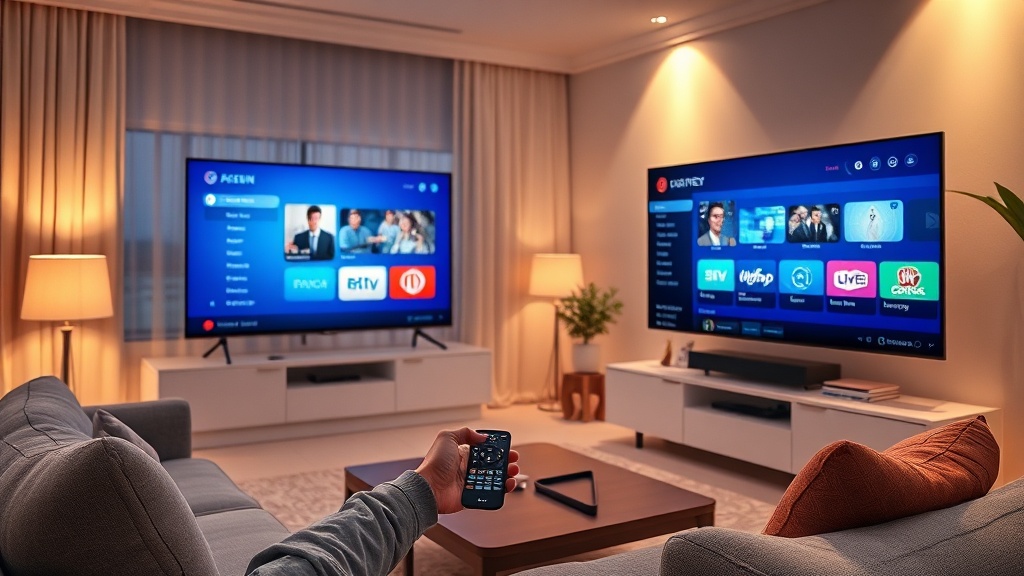
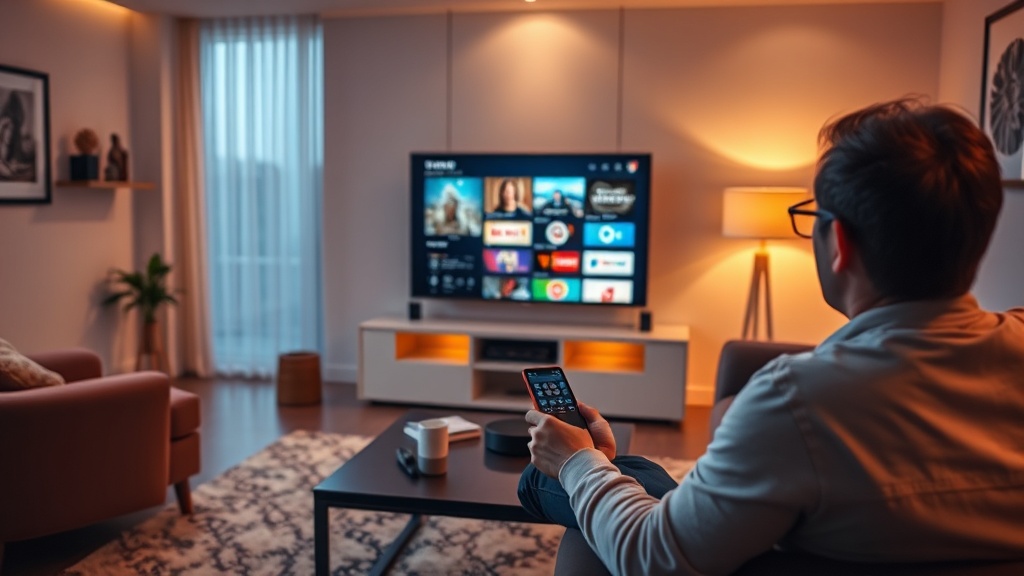
    IPTV for smart TV is revolutionizing the way we consume entertainment, transforming our living rooms into dynamic media hubs. In 2026, the integration of IPTV for smart TV has reached new heights, offering unparalleled access to a vast array of content directly through your internet connection. This guide will delve into everything you need to know about optimizing your smart TV experience with IPTV, ensuring you’re at the forefront of digital entertainment. The convenience and flexibility of IPTV for smart TV are undeniable, making it an essential component for any modern household seeking diverse and high-quality programming.

    Table of ContentsUnderstanding IPTV for Smart TV: What’s New in 2026?Choosing the Right IPTV Service for Your Smart TVSetting Up IPTV for Smart TV: A Step-by-Step GuideOptimizing Your IPTV for Smart TV Viewing ExperienceTroubleshooting Common IPTV for Smart TV IssuesThe Future of IPTV for Smart TV: Trends to Watch in 2026 and BeyondLegal and Ethical Considerations for IPTV for Smart TVFAQ: Your IPTV for Smart TV Questions AnsweredRelated IPTV Services

    Understanding IPTV for Smart TV: What’s New in 2026?

    Internet Protocol Television (IPTV) has evolved significantly, especially for smart TVs. In 2026, the technology behind IPTV has become more robust, offering lower latency, higher resolution streams, and more intuitive user interfaces tailored specifically for smart TV operating systems. This means a smoother, more reliable viewing experience, free from the buffering and quality issues that sometimes plagued earlier iterations.

    The core concept remains the same: instead of receiving television broadcasts through traditional aerials, satellite dishes, or cable, IPTV delivers content over the internet. What’s new is the sophisticated backend infrastructure and advanced codecs that ensure seamless integration with your smart TV’s native apps and features. This allows for a truly integrated entertainment ecosystem, where live TV, on-demand content, and interactive services coexist harmoniously.

    Furthermore, security protocols for IPTV services have been enhanced, providing greater protection for user data and content. This is a crucial development as more individuals rely on IPTV for their primary source of entertainment. Providers are now employing state-of-the-art encryption and authentication methods to safeguard your viewing experience and personal information, making IPTV pricing more transparent and secure than ever before.

    The adaptability of IPTV for smart TV also extends to its compatibility with various smart TV brands and operating systems. Whether you own a Samsung, LG, Sony, or any other smart TV, chances are there’s a dedicated app or a compatible player that can unlock the full potential of IPTV. This universal accessibility is a key driver behind its growing popularity in 2026.

    Choosing the Right IPTV Service for Your Smart TV

    Selecting the best IPTV service is paramount to a satisfying viewing experience. With countless providers in the market, it’s crucial to know what to look for. Key factors include channel variety, stream quality, reliability, and customer support. A good IPTV provider will offer a diverse range of channels, including international options, sports, movies, and documentaries, catering to all tastes and preferences. You can explore the vast selection of IPTV channels available through reputable providers.

    Stream quality is non-negotiable. Look for providers that offer high-definition (HD), Full HD (1080p), and even 4K content, ensuring a crisp and immersive visual experience on your smart TV. Reliability is equally important; constant buffering or service interruptions can quickly diminish the enjoyment of IPTV for smart TV. Reputable services invest in robust server infrastructure to guarantee minimal downtime and consistent performance.

    Customer support is another critical aspect. In case of any issues, prompt and effective support can make a significant difference. Check for providers that offer multiple support channels, such as live chat, email, or phone, with knowledgeable representatives ready to assist. Many providers also offer trial periods, which are an excellent way to test the service before committing to a long-term subscription.

    Consider the user interface and overall ease of use. A well-designed app for your smart TV will make navigating channels and content intuitive and enjoyable. Look for features like electronic program guides (EPG), catch-up TV, and video-on-demand (VOD) libraries, which enhance the overall IPTV for smart TV experience.

    Setting Up IPTV for Smart TV: A Step-by-Step Guide
    IPTV for smart TV

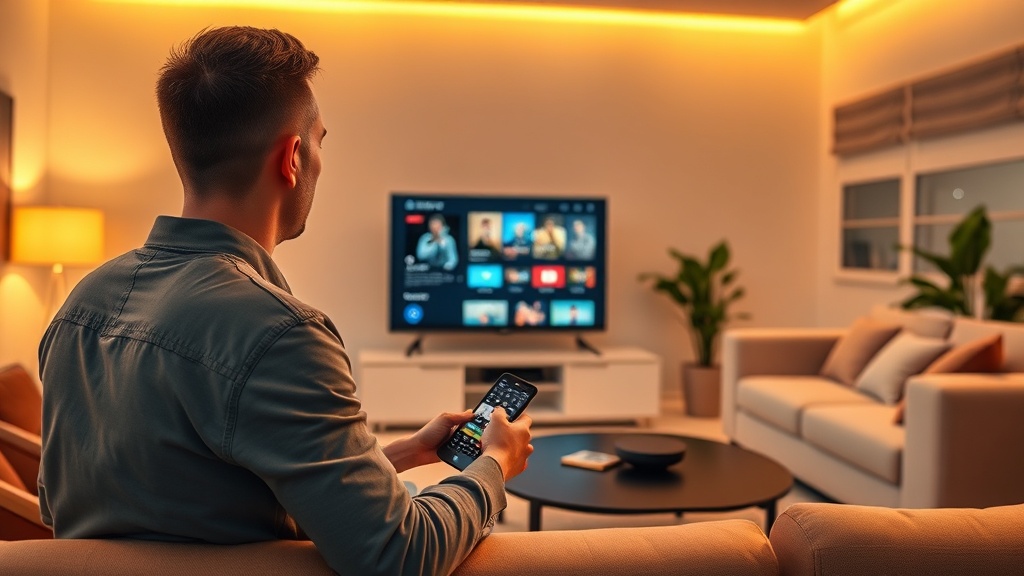
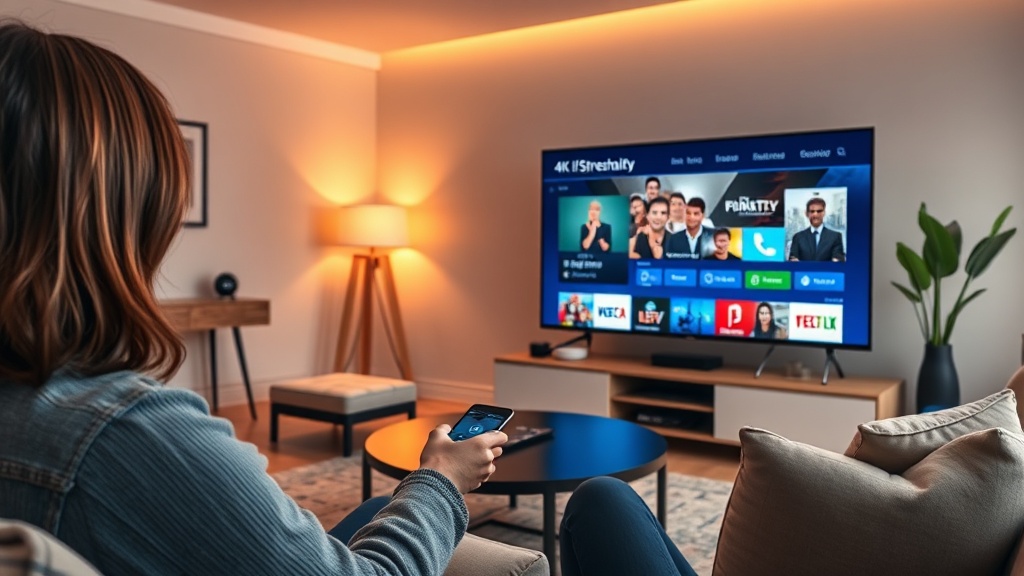
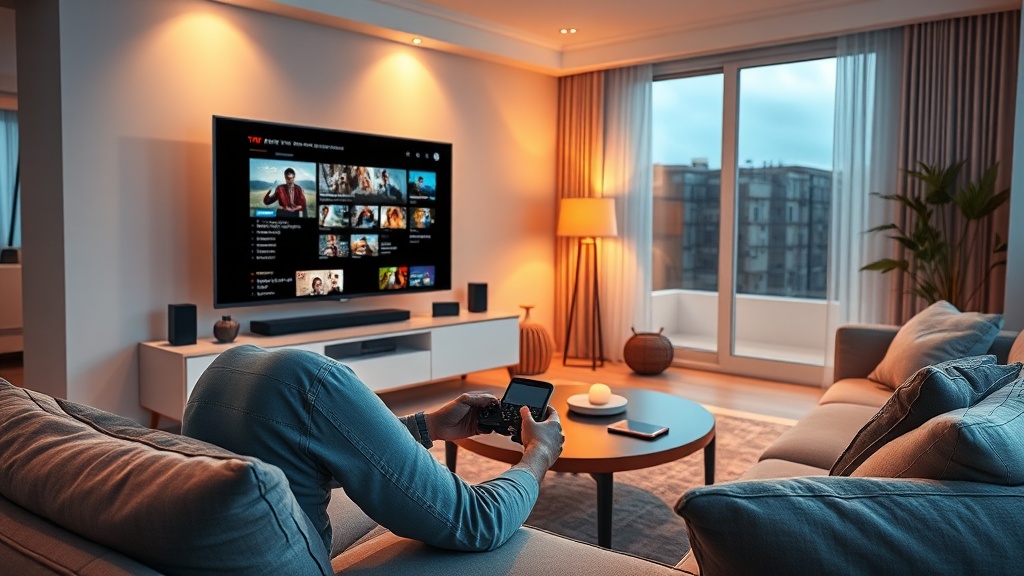
    Getting IPTV up and running on your smart TV is typically a straightforward process, though it can vary slightly depending on your TV’s brand and operating system. The most common method involves downloading a dedicated IPTV app from your smart TV’s app store. Popular apps include Smart IPTV, SS IPTV, GSE Smart IPTV, and TiviMate, among others. Once installed, you will usually need to enter your M3U playlist URL or Xtream Codes API details, which are provided by your IPTV service provider.

    For those smart TVs that might not have a direct app, or if you prefer more advanced features, you can often cast content from a mobile device or use an external IPTV box connected to your smart TV. However, direct app integration offers the most seamless and integrated experience. Make sure your smart TV is connected to a stable and fast internet connection, preferably via Ethernet for optimal performance, though a strong Wi-Fi signal can also work effectively.

    After entering your service details, the app will load your channel list and VOD library. You can then begin browsing and watching content. It’s often recommended to restart your TV after the initial setup to ensure all settings are correctly applied. For a smooth experience, ensure your smart TV’s software is up to date, as updates often include performance enhancements and bug fixes that can improve IPTV playback.

    Some advanced users might opt for a VPN (Virtual Private Network) to enhance privacy and access geo-restricted content. If you choose this route, ensure your VPN is compatible with your smart TV or router. Setting up IPTV for smart TV doesn’t have to be complicated, and with a little guidance, you’ll be enjoying a world of entertainment in no time. You can also review supported devices for more information on compatibility.

    Optimizing Your IPTV for Smart TV Viewing Experience

    To get the most out of your IPTV for smart TV, several optimization tips can significantly enhance your viewing pleasure. First and foremost, ensure you have a high-speed internet connection. IPTV relies heavily on bandwidth, especially for HD and 4K streams. A minimum of 25 Mbps is generally recommended for a single 4K stream, with higher speeds needed for multiple simultaneous streams or higher household internet usage.

    Consider using an Ethernet cable to connect your smart TV directly to your router instead of Wi-Fi. A wired connection provides greater stability and speed, reducing the chances of buffering and dropped connections. If Wi-Fi is your only option, ensure your router is strategically placed to minimize interference and maximize signal strength to your smart TV.

    Regularly clear the cache of your IPTV app and your smart TV. Over time, cached data can accumulate and slow down performance. Most smart TVs have an option in their settings to clear app caches, which can help in maintaining smooth operation. Keeping your smart TV’s operating system and your IPTV app updated to their latest versions is also crucial, as updates often include performance improvements and bug fixes.

    Adjust your smart TV’s picture and sound settings to complement the IPTV content. Experiment with different picture modes (e.g., Cinema, Standard, Dynamic) to find what looks best for various types of programming. Similarly, fine-tune audio settings for an immersive sound experience. These small adjustments can make a big difference in the overall quality of your IPTV for smart TV experience.

    Troubleshooting Common IPTV for Smart TV Issues

    Even with the best setup, you might occasionally encounter issues with IPTV for smart TV. Knowing how to troubleshoot common problems can save you a lot of frustration. One of the most frequent issues is buffering. This is often due to a slow internet connection or network congestion. Try restarting your router and modem, and check your internet speed. If the problem persists, consider upgrading your internet plan or using a wired connection.

    Another common problem is channels not loading or displaying an error message. This could be due to an expired subscription, incorrect M3U URL/Xtream Codes, or server issues on the provider’s end. Double-check your subscription status and make sure your login details are correct. If everything seems fine on your end, contact your IPTV service provider for assistance. They can verify if there are any ongoing server maintenance or issues.

    Picture quality issues, such as pixelation or low resolution, can stem from insufficient bandwidth or the provider offering lower quality streams. Ensure your internet speed is adequate for the content you’re trying to watch. If the issue is widespread across many channels, it might be an issue with the provider’s stream quality. You can always check iptvput.com for reliable service options.

    App crashes or freezing can often be resolved by clearing the app’s cache or reinstalling the app. If your smart TV itself is slow or unresponsive, a full power cycle (unplugging it from the wall for a few minutes) can often resolve minor software glitches. Always remember to consult your IPTV provider’s support resources or community forums, as they often have solutions to frequently asked questions.

    The landscape of IPTV for smart TV is continuously evolving, with exciting trends shaping its future. In 2026, we are seeing a greater emphasis on AI-driven personalized content recommendations. Smart TVs are becoming even smarter, learning your viewing habits and suggesting content tailored specifically to your interests, making content discovery more efficient and enjoyable. This level of personalization elevates the user experience beyond traditional linear television.

    Integration with smart home ecosystems is another significant trend. Imagine controlling your IPTV for smart TV with voice commands through your smart assistant, or having your lights automatically dim when you start a movie. This seamless integration creates a more cohesive and convenient home entertainment environment. The lines between various smart devices are blurring, and IPTV is at the heart of this convergence.

    Interactive content and augmented reality (AR) are also on the horizon. While still in nascent stages for mainstream IPTV, expect to see more interactive elements in live broadcasts, allowing viewers to participate in polls, quizzes, or even choose different camera angles for sports events. AR could bring an extra layer of information or immersive experiences directly onto your screen, enriching the viewing experience of IPTV for smart TV.

    Furthermore, cloud-based DVR services are becoming standard, offering greater flexibility for recording and watching content later, without the need for physical storage devices. The move towards more robust and secure cloud infrastructure ensures that your favorite shows are always accessible. The future of IPTV for smart TV promises even greater customization, interactivity, and integration, solidifying its position as the dominant form of television consumption.

    While IPTV for smart TV offers incredible advantages, it’s crucial to be aware of the legal and ethical implications. The legality of IPTV largely depends on the source of the content. Services that provide licensed content from legitimate broadcasters and content creators are perfectly legal. However, there are many “pirate” IPTV services that illegally stream copyrighted content without proper licensing. Engaging with such services can have legal consequences, including fines or even more severe penalties, depending on your jurisdiction.

    Always ensure that the IPTV provider you choose is legitimate and holds the necessary licenses for the content they offer. Look for providers that clearly state their compliance with copyright laws and offer transparent terms of service. Reputable providers will typically have clear pricing structures, official websites, and responsive customer support, as seen with services listed on iptvput.com/pricing.

    Beyond legal ramifications, there are ethical considerations. Supporting legitimate content creators and broadcasters ensures the continued production of high-quality programming. Piracy undermines the entertainment industry, impacting everyone from actors and directors to production crews and technical staff. By choosing legal IPTV for smart TV services, you contribute to a sustainable ecosystem for content creation.

    It’s also advisable to be cautious about sharing personal information with unknown IPTV providers. Legitimate services will have robust privacy policies and secure payment gateways. Always do your due diligence and research any provider thoroughly before subscribing. Staying informed about the legal landscape of IPTV in your region is also important, as regulations can vary and evolve over time, ensuring a safe and compliant IPTV for smart TV experience.

    FAQ: Your IPTV for Smart TV Questions Answered

    Q1: Is IPTV legal to use on my smart TV?

    A1: The legality of IPTV depends entirely on the source of the content. If you subscribe to a service that legally licenses its content from broadcasters and content creators, then it is legal. However, if a service provides copyrighted content without permission, it is illegal. Always choose reputable providers to ensure you are compliant with the law.

    Q2: What internet speed do I need for IPTV for smart TV?

    A2: For standard definition (SD) content, about 5-10 Mbps is usually sufficient. For high-definition (HD) content, 15-25 Mbps is recommended. If you plan to stream 4K content, you’ll need at least 25-50 Mbps, and more if multiple devices are using the internet simultaneously.

    Q3: Can I use any smart TV for IPTV?

    A3: Most modern smart TVs are compatible with IPTV, either through dedicated apps available on their app stores (like Smart IPTV, SS IPTV) or by casting from a mobile device. Ensure your smart TV’s operating system is up to date for the best compatibility and performance.

    Q4: What’s the difference between IPTV and traditional cable TV?

    A4: Traditional cable TV delivers content via coaxial cables, while IPTV delivers content over the internet using Internet Protocol. IPTV offers more flexibility, on-demand content, and often a wider range of international channels, as well as features like catch-up TV and personalized recommendations not typically found in traditional cable.

    Q5: How do I find a reliable IPTV for smart TV provider?

    A5: Look for providers with positive reviews, clear pricing, transparent terms of service, and responsive customer support. Many legitimate providers offer trial periods, which are excellent for testing the service quality and channel selection before committing to a subscription. Check their website for information on channel lineups and supported devices.

    You may also visit the following websites for similar services:
    IPTV for smart TV

    Related Articles

  • Essential IPTV for Android TV Guide 2026

    Essential IPTV for Android TV Guide 2026

    IPTV for Android TV

    IPTV for Android TV has revolutionized how we consume television, offering a vast universe of content delivered directly to your living room. In 2026, the landscape of IPTV for Android TV is more vibrant and accessible than ever, providing unparalleled choice and flexibility. This comprehensive guide will delve into everything you need to know about harnessing the power of IPTV for Android TV, from selecting the right service to optimizing your viewing experience.

    Table of ContentsUnderstanding IPTV for Android TV: What You Need to KnowChoosing the Best IPTV Service for Android TV in 2026Setting Up Your IPTV for Android TV: A Step-by-Step GuideOptimizing Your IPTV for Android TV ExperienceAdvanced Features and Troubleshooting for IPTV on Android TVThe Future of IPTV for Android TV in 2026 and BeyondFrequently Asked Questions About IPTV for Android TVRelated IPTV Services

    Gone are the days of restrictive cable packages and limited channel selections. With IPTV, or Internet Protocol Television, your favorite shows, movies, and live sports are streamed over the internet, giving you instant access to a global library of entertainment. Android TV devices, with their open-source nature and robust app ecosystem, are the perfect companions for this modern viewing paradigm. Whether you’re a seasoned streaming enthusiast or new to the world of internet television, understanding the nuances of IPTV on your Android TV will unlock a world of possibilities.

    The year 2026 brings with it advancements in streaming technology, higher bandwidth availability, and an even broader array of content providers. This means a smoother, more reliable, and more diverse IPTV experience for Android TV users. From crystal-clear 4K streams to interactive features and personalized recommendations, the future of television is undoubtedly intertwined with this powerful combination.

    Throughout this guide, we’ll explore the benefits, setup processes, best practices, and troubleshooting tips to ensure you get the most out of your IPTV for Android TV experience. Prepare to transform your entertainment setup and embrace the future of television with confidence.

    Understanding IPTV for Android TV: What You Need to Know

    Before diving into the specifics, it’s crucial to grasp the fundamental concepts behind IPTV and how it integrates with your Android TV device. IPTV essentially delivers television content using the internet protocol suite over a packet-switched network, rather than traditional terrestrial, satellite, or cable formats. This method offers significant advantages, including on-demand content, time-shifted television, and live programming, all accessible through your internet connection.

    Android TV, powered by Google’s Android operating system, is designed for smart TVs and media players. It offers a user-friendly interface, access to the Google Play Store for a plethora of apps, and seamless integration with other Google services. When you combine IPTV with Android TV, you create a powerful media hub capable of delivering an almost limitless amount of content directly to your television.

    The beauty of this synergy lies in the flexibility it offers. You’re not tied to specific hardware provided by a cable company; instead, you can choose from a range of Android TV boxes, dongles, or even smart TVs with built-in Android TV. This open ecosystem allows for greater customization and control over your viewing experience, making IPTV for Android TV a highly attractive option for modern consumers.

    Understanding the architecture, from your internet service provider (ISP) to your Android TV device and the IPTV application, is key to optimizing your setup. A stable and fast internet connection is paramount, as is selecting a reliable IPTV provider. We’ll explore these aspects in more detail to help you build a robust and enjoyable streaming environment for your IPTV for Android TV setup.

    Choosing the Best IPTV Service for Android TV in 2026

    The market for IPTV services is vast and ever-growing, making the selection process a critical step in setting up your IPTV for Android TV. In 2026, you’ll encounter numerous providers, each offering different channel lineups, pricing models, and features. Making an informed decision is essential for a satisfying viewing experience.

    When evaluating IPTV providers, consider several key factors. First, look at the channel selection. Do they offer the channels you want, including local broadcasts, international content, sports, and movies? Many providers specialize in certain niches, so align your choice with your viewing preferences. You can often find a detailed list of available channels on a provider’s website, such as checking out the IPTV Put channels page.

    Next, consider the streaming quality and reliability. Do they offer high-definition (HD) and 4K content? Are their servers stable, minimizing buffering and downtime? Reading reviews and trying out free trials (if available) can provide valuable insights into a service’s performance. Customer support is another important aspect; reliable assistance can be invaluable if you encounter any issues with your IPTV for Android TV setup.

    Pricing is, of course, a significant factor. IPTV services typically offer monthly, quarterly, or annual subscription plans. Compare the costs and features to find a plan that fits your budget and needs. Remember that cheaper isn’t always better; sometimes, a slightly higher price can guarantee better quality and more reliable service. For an idea of typical costs, you might want to review IPTV Put’s pricing plans.

    Finally, check for compatibility with Android TV. While most modern IPTV services are designed to work seamlessly with Android devices, it’s always good to confirm. Some providers even offer their own dedicated Android TV applications, which can simplify the setup and usage. By carefully considering these factors, you can select the best IPTV service to complement your Android TV device.

    Setting Up Your IPTV for Android TV: A Step-by-Step Guide

    IPTV for Android TV

    Once you’ve chosen your preferred IPTV service, the next step is to set it up on your Android TV device. The process is generally straightforward, but it involves a few key stages. This section will walk you through the essential steps to get your IPTV for Android TV up and running smoothly.

    First, ensure your Android TV device is connected to a stable internet connection. A wired Ethernet connection is often preferred for optimal performance, especially for 4K streaming, but a strong Wi-Fi signal can also suffice. Navigate to the Google Play Store on your Android TV. This is where you’ll download the necessary IPTV player applications. While some IPTV providers offer their own apps, many users opt for third-party players due to their advanced features and flexibility.

    Popular IPTV player applications for Android TV include applications like “Smart IPTV,” “TiviMate,” “Perfect Player,” and “VLC.” Search for your chosen player in the Play Store, download, and install it. Once installed, open the application. You will typically be prompted to add a playlist or subscription. This is where you’ll input the M3U URL or Xtream Codes API credentials provided by your IPTV service provider. These details are crucial for the player to access the content from your subscription.

    Follow the on-screen instructions within the IPTV player to add your playlist. This usually involves pasting the M3U URL or entering the server URL, username, and password for Xtream Codes. After successfully adding your playlist, the application will typically load the channels and EPG (Electronic Program Guide). You might need to adjust some settings within the player, such as aspect ratio, audio tracks, or buffering options, to optimize your viewing experience. With these steps completed, your IPTV for Android TV setup should be ready for action.

    Optimizing Your IPTV for Android TV Experience

    Setting up your IPTV for Android TV is just the beginning. To truly unlock its potential, you’ll want to optimize your viewing experience. This involves a combination of hardware considerations, software configurations, and best practices that can significantly enhance stream quality and reliability.

    One of the most critical factors is your internet connection. A fast and stable broadband connection is non-negotiable for high-quality IPTV streaming. For 4K content, a minimum speed of 25 Mbps is often recommended, though higher speeds provide a better buffer against network fluctuations. Consider upgrading your internet plan if you frequently experience buffering or low-resolution streams. Using a VPN can also be beneficial, not just for privacy and security, but also to bypass potential ISP throttling, which can impact your IPTV for Android TV performance.

    Next, ensure your Android TV device is performing optimally. Close any unnecessary background applications that might be consuming resources. Regularly clear the cache of your IPTV player app and even the Android TV system itself. This can prevent slowdowns and improve responsiveness. For users looking for specific device recommendations, you can find information on compatible devices on sites like IPTV Put’s devices page.

    Within your IPTV player application, explore the settings. Many players offer options to adjust buffer size, video decoder types, and even refresh rates. Experiment with these settings to find the configuration that works best for your specific device and internet connection. For example, some devices perform better with hardware decoding, while others might benefit from software decoding. Keeping your Android TV’s firmware and all installed apps updated is also crucial for performance and security.

    Finally, consider using a high-quality HDMI cable for connecting your Android TV box to your television, especially if you’re streaming 4K content. While often overlooked, a poor-quality cable can sometimes introduce signal degradation. By paying attention to these details, you can elevate your IPTV for Android TV experience from good to outstanding.

    Advanced Features and Troubleshooting for IPTV on Android TV

    As you become more familiar with your IPTV for Android TV setup, you might want to explore advanced features or tackle common troubleshooting issues. Modern IPTV players offer a wealth of functionalities that can enrich your viewing, while knowing how to resolve problems ensures uninterrupted entertainment.

    Many advanced IPTV players support features like EPG customization, allowing you to tailor the look and feel of your program guide. Some even offer catch-up TV, enabling you to watch programs that aired days or weeks ago. Recording capabilities are also becoming more common, letting you record live shows to watch later. Explore the settings of your chosen IPTV app to discover these powerful features. Integrating with external media players like MX Player or VLC can also enhance playback options, especially for certain codecs or file formats.

    Troubleshooting is an inevitable part of any streaming setup. If you encounter buffering, the first step is often to check your internet connection. Run a speed test on your Android TV device. If speeds are low, try restarting your router and modem. If the problem persists, contact your ISP. Another common issue is channels not loading. This could be due to an expired subscription, server issues on the provider’s end, or an incorrect M3U URL. Double-check your subscription details and contact your IPTV provider if necessary.

    Sometimes, clearing the cache of your IPTV app or even reinstalling it can resolve stubborn issues. If your Android TV device itself is acting up, a simple restart can often fix minor glitches. For more complex problems, performing a factory reset on your Android TV device might be an option, but remember this will erase all your installed apps and settings. By understanding these advanced features and troubleshooting techniques, you can maintain a robust and enjoyable IPTV for Android TV experience.

    The Future of IPTV for Android TV in 2026 and Beyond

    The landscape of television consumption is constantly evolving, and IPTV for Android TV is at the forefront of this transformation. As we look ahead to 2026 and beyond, several trends are poised to shape the future of this powerful combination, promising even more immersive and personalized entertainment experiences.

    One significant trend is the continued improvement in streaming quality. With 8K televisions becoming more accessible, IPTV providers will likely push for higher resolution content, demanding faster internet speeds and more efficient compression technologies. The integration of AI and machine learning will also play a crucial role, allowing for more sophisticated content recommendations, personalized user interfaces, and even adaptive streaming that adjusts quality based on network conditions in real-time. This means your IPTV for Android TV experience will become even smarter and more tailored to your preferences.

    Interactivity is another area set for growth. Imagine being able to vote on reality shows directly through your IPTV app, access real-time statistics during a live sports event, or participate in polls related to the content you’re watching. Gamification elements and enhanced social features could also become more commonplace, transforming passive viewing into an engaging, interactive experience. The open nature of Android TV makes it an ideal platform for these kinds of innovations.

    Moreover, the convergence of various streaming services into unified platforms will likely simplify content discovery. Instead of switching between multiple apps, your IPTV for Android TV interface could become a central hub for all your subscriptions, including traditional IPTV, VOD services, and even gaming platforms. This seamless integration will offer unparalleled convenience and choice.

    The ongoing development of 5G networks and satellite internet will further boost the reliability and accessibility of IPTV, especially in areas with limited broadband infrastructure. This expanded reach will bring the benefits of IPTV for Android TV to an even wider audience, solidifying its position as a dominant force in the future of home entertainment.

    Frequently Asked Questions About IPTV for Android TV

    What is IPTV for Android TV?

    IPTV for Android TV refers to the delivery of television content over the internet protocol network, viewed on an Android TV-powered device. This allows users to stream live TV channels, on-demand movies, and TV shows using an internet connection, rather than traditional cable or satellite broadcasts. Android TV devices, such as smart TVs or set-top boxes, provide the platform for accessing IPTV services via dedicated apps.

    Do I need a special Android TV box for IPTV?

    Not necessarily a “special” one, but you do need an Android TV device. This could be a smart TV with Android TV built-in, an Android TV box (like an NVIDIA Shield TV or Google Chromecast with Google TV), or an Android TV stick. The key is that the device runs the Android TV operating system, allowing you to download IPTV player apps from the Google Play Store.

    Is IPTV legal for Android TV?

    The legality of IPTV depends on the service provider. Subscribing to legitimate IPTV services that have proper licensing for the content they offer is legal. However, using services that illegally broadcast copyrighted content without authorization is not legal. Always ensure your chosen IPTV provider is reputable and operates within legal frameworks.

    What internet speed do I need for IPTV on Android TV?

    For standard definition (SD) content, about 5-10 Mbps is usually sufficient. For high-definition (HD) content, 10-20 Mbps is recommended. If you plan to stream 4K Ultra HD content, you’ll ideally need a stable internet connection of 25 Mbps or higher. A faster and more stable connection will always result in a better, buffer-free viewing experience for your IPTV for Android TV.

    Can I record shows with IPTV on Android TV?

    Yes, many modern IPTV player applications for Android TV offer recording capabilities. This feature often allows you to schedule recordings of live TV shows or record current programs. However, the availability and functionality of recording will depend on both your IPTV player app and your specific IPTV service provider. Some providers may offer cloud-based recording, while others rely on local storage on your Android TV device or an attached USB drive.

    You may also visit the following websites for similar services:

    IPTV for Android TV

    Related Articles

  • Awesome IPTV for Firestick Guide 2026

    Awesome IPTV for Firestick Guide 2026

    IPTV for Firestick

    IPTV for Firestick has revolutionized the way we consume entertainment, offering a vast array of content directly to our screens. In 2026, the integration of IPTV with Amazon’s Firestick devices continues to be a leading choice for cord-cutters and streaming enthusiasts alike. This comprehensive guide will delve into everything you need to know about setting up, optimizing, and enjoying the best IPTV for Firestick experience. Whether you’re a seasoned streaming pro or new to the world of internet protocol television, understanding the nuances of IPTV for Firestick is crucial for unlocking its full potential.

    Table of ContentsUnderstanding IPTV and Its Evolution on FirestickChoosing the Best IPTV Provider for Firestick in 2026Setting Up Your Firestick for Optimal IPTV PerformanceEssential IPTV Player Applications for FirestickTroubleshooting Common Issues with IPTV for FirestickAdvanced Tips and Tricks for IPTV for Firestick Users in 2026Future Trends and Innovations in IPTV for Firestick by 2026FAQRelated IPTV Services

    Understanding IPTV and Its Evolution on Firestick

    Internet Protocol Television (IPTV) delivers television content over Internet Protocol networks, rather than traditional terrestrial, satellite, or cable television formats. This technology allows for a highly personalized and on-demand viewing experience, transforming how we access live TV, movies, and series. The evolution of IPTV has been rapid, moving from niche services to a mainstream entertainment staple.

    Amazon’s Firestick, a portable HDMI dongle, has emerged as one of the most popular devices for accessing IPTV services. Its user-friendly interface, affordability, and robust app ecosystem make it an ideal platform for streaming. As of 2026, Firestick models boast enhanced processing power, improved Wi-Fi capabilities, and support for higher resolutions, ensuring a seamless IPTV experience.

    The synergy between IPTV and Firestick lies in the device’s ability to run various Android-based applications that function as IPTV players. These players connect to IPTV providers’ servers, allowing users to stream content. This setup offers unparalleled flexibility, enabling viewers to customize their channel lineups and access content from around the globe. The convenience and power of IPTV for Firestick are undeniable.

    With the continuous advancements in streaming technology, IPTV services are becoming more stable, offering higher quality streams and a wider variety of content. The Firestick’s constant updates and improvements further solidify its position as a top contender for home entertainment systems. This combination ensures that users are always at the forefront of digital media consumption.

    Choosing the Best IPTV Provider for Firestick in 2026

    Selecting the right IPTV provider is paramount to a satisfying experience with IPTV for Firestick. With numerous providers in the market, it’s essential to consider several factors to make an informed decision. Key aspects include channel variety, stream quality, server stability, customer support, and pricing models.

    In 2026, top-tier IPTV providers offer extensive channel lists, often including international channels, premium sports packages, and a vast library of on-demand movies and TV shows. Look for providers that offer a good balance of live content and VOD (Video On Demand) options. High-definition (HD), Full HD (FHD), and even 4K streaming capabilities are now standard expectations.

    Server stability is crucial for uninterrupted viewing. A reliable provider will have robust infrastructure to minimize buffering and downtime. Many providers offer free trials, which are an excellent way to test their service quality before committing to a subscription. Additionally, responsive customer support can be invaluable when troubleshooting issues or seeking assistance.

    Pricing is another significant consideration. While some providers offer incredibly low prices, it’s often a red flag for unreliable service. Aim for a provider that offers competitive pricing without compromising on quality or features. Many providers offer tiered subscriptions, allowing you to choose a plan that best fits your needs and budget. For a detailed look at pricing, you might want to check out IPTV Put pricing options.

    Finally, ensure the provider supports Firestick devices and offers clear instructions for setup. Compatibility with various IPTV players is also a plus, giving you more flexibility in how you access your content. A good IPTV provider will make the process of getting started with IPTV for Firestick as smooth as possible.

    Setting Up Your Firestick for Optimal IPTV Performance

    IPTV for Firestick

    To get the most out of your IPTV for Firestick experience, proper setup and optimization are key. This involves configuring your Firestick, installing the right apps, and ensuring your network connection is robust. These steps will help minimize buffering and maximize stream quality.

    First, ensure your Firestick is updated to the latest software version. Go to Settings > My Fire TV > About > Check for Updates. This ensures compatibility with newer apps and performance enhancements. Next, enable “Apps from Unknown Sources” by navigating to Settings > My Fire TV > Developer Options. This step is crucial for installing third-party IPTV player applications that aren’t available on the Amazon Appstore.

    A stable internet connection is vital for IPTV. A wired Ethernet connection, if possible, is always recommended for the best performance, especially for 4K streaming. If Wi-Fi is your only option, ensure your router is placed optimally and consider upgrading to a Wi-Fi 6 compatible router for better speeds and reduced latency. You can test your internet speed directly on your Firestick through various speed test apps.

    Installing a VPN (Virtual Private Network) is highly recommended for IPTV users. A VPN encrypts your internet traffic, enhancing your privacy and security. It can also help bypass geo-restrictions and prevent potential ISP throttling, which can degrade your streaming quality. Choose a reputable VPN service with servers located close to your IPTV provider’s servers for optimal speed.

    Finally, regularly clear the cache of your IPTV player apps and other streaming applications on your Firestick. This can free up storage space and improve performance. Go to Settings > Applications > Manage Installed Applications, select the app, and choose “Clear Cache.” These optimization tips will significantly enhance your enjoyment of IPTV for Firestick.

    Essential IPTV Player Applications for Firestick

    While some IPTV providers offer their own dedicated apps, many rely on third-party IPTV player applications to deliver content on Firestick. These players act as interfaces, connecting to your provider’s service using M3U URLs or Xtream Codes API. Choosing the right player can significantly impact your user experience with IPTV for Firestick.

    One of the most popular and versatile IPTV players is IPTV Smarters Pro. It offers a sleek interface, support for multiple playlists, EPG (Electronic Program Guide) integration, and VOD playback. Its user-friendly design makes it a favorite among both new and experienced IPTV users. You’ll typically sideload this app onto your Firestick.

    Another excellent option is Tivimate. Tivimate is renowned for its advanced features, including a beautiful EPG, catch-up TV, recording capabilities (with a premium subscription), and highly customizable layouts. While it requires a premium subscription to unlock its full potential, many users find the investment worthwhile for its superior functionality and aesthetic appeal when using IPTV for Firestick.

    VLC Media Player and MX Player are also widely used as external players within other IPTV apps. While not standalone IPTV players themselves, they excel at decoding various video formats and often provide smoother playback, especially for high-bitrate streams. Many IPTV apps allow you to select an external player, and integrating VLC or MX Player can significantly improve your viewing experience.

    Other notable IPTV players include Perfect Player and XCIPTV. Perfect Player offers a minimalist design and robust EPG support, while XCIPTV provides a comprehensive set of features, including multi-screen support and parental controls. Experimenting with different players will help you find the one that best suits your preferences and enhances your IPTV for Firestick setup.

    Troubleshooting Common Issues with IPTV for Firestick

    Even with the best setup, you might occasionally encounter issues when using IPTV for Firestick. Understanding how to troubleshoot common problems can save you time and frustration, ensuring a smooth streaming experience. Most issues are easily resolvable with a few simple steps.

    Buffering is perhaps the most common complaint. This is usually due to a slow or unstable internet connection. First, check your internet speed. If it’s low, try restarting your router and modem. If the problem persists, consider upgrading your internet plan or using a wired Ethernet adapter for your Firestick. A VPN can also help by preventing ISP throttling, which sometimes causes buffering.

    Another frequent issue is channels not loading or displaying “channel unavailable.” This could be due to a temporary server issue with your IPTV provider. Try restarting your IPTV player app or your Firestick. If the problem persists, contact your IPTV provider’s support. It’s also possible your M3U URL or Xtream Codes login details are incorrect or have expired, so double-check them.

    App crashes or freezing can often be resolved by clearing the app’s cache and data. Go to Settings > Applications > Manage Installed Applications, select the problematic IPTV app, and choose “Clear Cache” and then “Clear Data.” Be aware that clearing data will reset the app, requiring you to re-enter your login details. If the app continues to crash, try uninstalling and reinstalling it.

    Issues with EPG (Electronic Program Guide) not loading or being out of date are also common. Ensure your EPG URL is correctly entered in your IPTV player settings. Sometimes, simply refreshing the EPG within the app can resolve the issue. If not, contact your provider for an updated EPG URL or to report the problem. Consistent performance of IPTV for Firestick relies on these small details.

    Finally, if your Firestick itself is performing slowly, try restarting it (Settings > My Fire TV > Restart). You can also perform a factory reset as a last resort, but this will erase all data and apps, requiring you to set up everything again. Regular maintenance, such as clearing cache and removing unused apps, can help prevent many of these issues.

    Advanced Tips and Tricks for IPTV for Firestick Users in 2026

    For those looking to elevate their IPTV for Firestick experience beyond the basics, a few advanced tips and tricks can unlock even more potential. These strategies focus on optimizing performance, enhancing usability, and exploring additional functionalities available in 2026.

    Consider using a custom launcher for your Firestick. While the default Fire OS launcher is functional, custom launchers like Wolf Launcher or Leanback Launcher offer greater customization, allowing you to organize your apps more efficiently and create a cleaner interface. This can significantly improve navigation, especially if you have many streaming apps in addition to your IPTV player.

    Investing in a high-quality remote control can also make a big difference. While the Firestick remote is adequate, third-party remotes with full keyboards or air mouse functionality can greatly simplify text input and navigation, especially in complex IPTV player menus. Some even offer programmable buttons for quick access to your favorite channels or features.

    Explore the recording capabilities of advanced IPTV players like Tivimate. With a premium subscription and a USB drive connected via an OTG (On-The-Go) cable, you can record live TV broadcasts, ensuring you never miss your favorite shows or sporting events. This feature truly transforms your Firestick into a DVR for IPTV content.

    For multi-room viewing, consider setting up a home network media server using software like Plex or Jellyfin. While not directly for IPTV, these can integrate with some IPTV services or allow you to stream local content to all your Firestick devices, creating a unified entertainment hub. This is particularly useful for families with multiple TVs.

    Finally, stay updated with the latest Firestick software and IPTV app versions. Developers frequently release updates that include bug fixes, performance improvements, and new features. Regularly checking for and installing these updates will ensure you’re always getting the best possible IPTV for Firestick experience in 2026.

    The landscape of IPTV and streaming technology is constantly evolving, and by 2026, we can expect several exciting trends and innovations to further enhance the IPTV for Firestick experience. These advancements will focus on greater personalization, improved quality, and more seamless integration.

    Artificial intelligence (AI) is set to play a more significant role in content discovery and recommendation. AI-powered algorithms will learn your viewing habits and suggest content that truly aligns with your interests, making it easier to navigate vast libraries of movies and TV shows. This will transform how users interact with their IPTV for Firestick channels.

    Expect to see widespread adoption of 8K streaming capabilities, especially as internet speeds continue to increase and 8K televisions become more affordable. IPTV providers will begin offering select content in this ultra-high definition, pushing the boundaries of visual fidelity on compatible Firestick devices. This will demand even more robust internet connections and advanced Firestick hardware.

    Enhanced interactivity and personalized viewing experiences will also become more common. Imagine being able to switch camera angles during a live sports event, access real-time statistics, or participate in polls directly through your IPTV interface. These features will make passive viewing a thing of the past.

    Integration with smart home ecosystems will deepen. Your Firestick will likely become an even more central hub, with voice commands extending beyond content search to controlling smart lights, thermostats, and other connected devices, all while you’re enjoying your IPTV content. This creates a truly immersive and convenient home entertainment environment.

    Finally, the security and privacy aspects of IPTV will continue to be a focus. Providers will implement stronger encryption and authentication methods, while VPN services will become even more integral for users seeking to protect their online activities. These future trends promise an even more dynamic and engaging IPTV for Firestick experience in the years to come.

    FAQ

    What is IPTV for Firestick?

    IPTV for Firestick refers to the process of streaming television content over the internet to an Amazon Firestick device. It allows users to access live TV channels, movies, and TV series on demand from various IPTV providers using dedicated applications.

    Is IPTV legal on Firestick?

    The legality of IPTV depends on the source of the content. Subscribing to legitimate IPTV services that have the proper licenses to broadcast content is legal. However, using services that offer copyrighted content without proper authorization is illegal. Always choose reputable providers.

    Do I need a VPN for IPTV on Firestick?

    While not strictly mandatory, using a VPN (Virtual Private Network) is highly recommended for IPTV on Firestick. A VPN enhances your online privacy and security, encrypts your internet traffic, and can help bypass geo-restrictions or prevent ISP throttling that might affect streaming quality.

    How do I install IPTV apps on my Firestick?

    Most IPTV player apps are not available on the Amazon Appstore and need to be sideloaded. First, enable “Apps from Unknown Sources” in your Firestick settings. Then, use an app like “Downloader” to download and install the APK file for your chosen IPTV player.

    Why is my IPTV buffering on Firestick?

    Buffering is usually caused by a slow or unstable internet connection. Ensure your Wi-Fi signal is strong or use an Ethernet adapter. Other causes can include an overloaded IPTV server, an outdated app, or ISP throttling. Clearing app cache or using a VPN can often help resolve buffering issues.

    You may also visit the following websites for similar services:
    IPTV for Firestick

    Related Articles

  • Best cheap IPTV Guide 2026

    Best cheap IPTV Guide 2026

    cheap IPTV

    cheap IPTV has revolutionized how we consume television, offering a vast array of channels and on-demand content at a fraction of the cost of traditional cable or satellite. In 2026, the landscape of streaming services continues to evolve, making cheap IPTV more accessible and feature-rich than ever before. This guide will explore everything you need to know about finding reliable and affordable IPTV solutions, ensuring you get the best entertainment experience without breaking the bank. Understanding the nuances of different providers and their offerings is key to unlocking the full potential of cheap IPTV.

    Table of ContentsUnderstanding the Basics of Cheap IPTVKey Factors When Choosing Cheap IPTV in 2026The Best Platforms for Cheap IPTV SubscriptionsMaximizing Your Experience with Cheap IPTVThe Future of Cheap IPTV and What to Expect in 2026Legal Considerations and Safe Practices for Cheap IPTVTroubleshooting Common Cheap IPTV IssuesFuture-Proofing Your Cheap IPTV Setup in 2026FAQRelated IPTV Services

    Understanding the Basics of Cheap IPTV

    IPTV, or Internet Protocol Television, delivers television content over IP networks. Unlike traditional methods, IPTV uses your internet connection to stream live TV, movies, and series directly to your devices. The “cheap” aspect comes from the competitive pricing models adopted by many providers, who often offer extensive channel lineups and features at significantly lower monthly or annual fees compared to conventional TV subscriptions.

    The core principle behind cheap IPTV is leveraging existing internet infrastructure. This eliminates the need for expensive satellite dishes or complex cable installations. For consumers, this translates into lower setup costs and often more flexible subscription plans. The market for cheap IPTV is booming, with numerous providers vying for your attention, each promising a unique blend of content and service quality.

    However, navigating this saturated market requires a keen eye. Not all cheap IPTV services are created equal. Some may offer an incredible number of channels but suffer from buffering issues, while others might have fewer channels but impeccable streaming quality. It’s crucial to balance cost with performance to ensure a satisfying viewing experience. Research and user reviews play a vital role in this selection process.

    The technological advancements in 2026 have also made cheap IPTV more robust. Improved compression techniques and wider internet bandwidths mean higher quality streams are now possible even at lower price points. This continuous evolution benefits consumers, providing them with more options for reliable and affordable entertainment.

    Key Factors When Choosing Cheap IPTV in 2026

    When searching for cheap IPTV in 2026, several critical factors should influence your decision. The first and most obvious is pricing. While the goal is to find an affordable option, the cheapest isn’t always the best. Compare different subscription models, whether monthly, quarterly, or annual, and look for any hidden fees or long-term commitments. Understanding the full cost is essential.

    Channel lineup and content variety are equally important. Do they offer the specific channels you watch? Is there a good selection of international channels, sports, movies, and TV series? Some providers specialize in certain genres, so align your choice with your viewing habits. A diverse content library ensures you never run out of things to watch.

    Streaming quality and reliability are paramount. No one wants constant buffering or low-resolution streams. Look for providers that offer high-definition (HD) and even 4K content, and check user reviews for feedback on server stability and uptime. A free trial, if available, is an excellent way to test the service’s performance before committing. For more details on available channels, visit iptvput.com/channels.

    Device compatibility is another crucial aspect. Ensure the cheap IPTV service supports the devices you own, whether it’s a smart TV, smartphone, tablet, or streaming box. Most reputable providers offer apps for various platforms, but it’s always good to confirm. Check out compatible devices on iptvput.com/devices to ensure a smooth setup.

    The Best Platforms for Cheap IPTV Subscriptions

    cheap IPTV

    In 2026, the market for cheap IPTV subscriptions is diverse, with numerous platforms offering compelling packages. Reputable providers often distinguish themselves through a combination of extensive channel lists, stable streaming, and excellent customer support. It’s not just about the lowest price; it’s about value for money.

    Many top-tier cheap IPTV providers offer tiered pricing structures, allowing you to choose a plan that best fits your budget and content needs. These plans might differentiate based on the number of channels, streaming quality (SD, HD, 4K), or the number of simultaneous connections allowed. Always scrutinize what’s included in each package to avoid disappointment.

    When evaluating platforms, consider those that offer robust Electronic Program Guides (EPGs) and Video On Demand (VOD) libraries. A good EPG makes it easy to navigate channels and schedule your viewing, while a comprehensive VOD library provides access to movies and TV shows whenever you want them. These features significantly enhance the cheap IPTV experience.

    Furthermore, look for providers that offer reliable customer support. While cheap IPTV is generally straightforward, issues can arise, and having access to quick and effective assistance can save a lot of frustration. Many providers offer 24/7 support via live chat, email, or ticketing systems. This level of service adds significant value to an otherwise inexpensive offering.

    Maximizing Your Experience with Cheap IPTV

    Getting the most out of your cheap IPTV subscription involves more than just finding a good provider. Optimizing your home network is crucial for a seamless streaming experience. A stable and fast internet connection is the backbone of any IPTV service. Consider upgrading your internet plan if you frequently experience buffering, especially if multiple devices are using the network simultaneously.

    Using a VPN (Virtual Private Network) can also enhance your cheap IPTV experience. A VPN can help bypass geo-restrictions, allowing you to access content that might not be available in your region. It also adds an extra layer of privacy and security, protecting your online activities from prying eyes. Choose a VPN provider with fast servers and a strict no-logs policy for the best results.

    Investing in a dedicated streaming device can significantly improve performance. While many smart TVs have built-in IPTV apps, external devices like Android boxes, Amazon Fire Sticks, or Apple TVs often offer more processing power and better software optimization. These devices can handle high-resolution streams more efficiently, reducing buffering and improving picture quality.

    Regularly updating your IPTV app and device firmware is also important. Developers frequently release updates that improve performance, fix bugs, and add new features. Keeping everything up-to-date ensures you’re always getting the best possible experience from your cheap IPTV service. Don’t forget to check out our pricing page for the latest deals and subscription options.

    The Future of Cheap IPTV and What to Expect in 2026

    The future of cheap IPTV in 2026 looks incredibly promising, with continuous advancements in technology and content delivery. We can expect even more personalized viewing experiences, driven by AI and machine learning algorithms that recommend content tailored to individual preferences. This will make discovering new shows and movies easier than ever before.

    Integration with other smart home devices is another area of growth. Imagine controlling your cheap IPTV service with voice commands through your smart speaker or having your favorite show automatically start when you walk into the room. These seamless integrations will make entertainment an even more integral part of our daily lives.

    The ongoing competition among providers will likely lead to even more aggressive pricing strategies, making cheap IPTV even more accessible to a wider audience. This competitive environment also encourages innovation, pushing providers to offer better features, more channels, and superior streaming quality. Consumers will be the ultimate beneficiaries of this trend.

    Furthermore, expect to see an increase in niche content offerings. As the market matures, more providers will cater to specific interests, offering specialized packages for foreign language speakers, documentary enthusiasts, or fans of obscure sports. This diversification will ensure that everyone can find a cheap IPTV solution that perfectly matches their unique tastes.

    While the appeal of cheap IPTV is undeniable, it’s crucial to be aware of the legal landscape. The legality of IPTV services can vary significantly based on your region and the specific provider. Some providers operate legally by obtaining proper licensing for the content they distribute, while others may not. Always verify the legitimacy of a service before subscribing.

    Opting for reputable and well-established cheap IPTV providers reduces the risk of legal issues. These providers typically have transparent terms of service and are more likely to comply with copyright laws. Researching reviews and checking for any news regarding legal challenges can help you make an informed decision. Protecting yourself from potential legal ramifications is just as important as protecting your wallet.

    Security is another paramount concern. When using any online service, especially those that process payments, ensure the provider uses secure encryption protocols. Look for “HTTPS” in the website address and check for secure payment gateways. Phishing scams and malware are prevalent, so always be vigilant about the links you click and the information you provide.

    Using a VPN, as mentioned earlier, not only enhances privacy but also adds a layer of security by encrypting your internet traffic. This makes it much harder for malicious actors to intercept your data. Ultimately, practicing due diligence and choosing a trustworthy cheap IPTV provider will ensure a safe and enjoyable streaming experience. Always prioritize security, especially when dealing with cheap IPTV providers.

    Troubleshooting Common Cheap IPTV Issues

    Even with the best cheap IPTV service, you might occasionally encounter issues. The most common problem is buffering, which can be frustrating. This is often due to a slow internet connection, network congestion, or overloaded servers on the provider’s end. First, try restarting your router and modem. If the problem persists, try reducing the streaming quality or connecting your device directly to the router via an Ethernet cable.

    Another frequent issue is channels not loading or displaying an error message. This could be due to a temporary server outage, an expired subscription, or incorrect login credentials. Double-check your account status and ensure your subscription is active. If the issue continues, contact your cheap IPTV provider’s support team. They can often diagnose and resolve server-side problems quickly.

    Picture freezing or pixelation can also occur. This is typically related to your device’s processing power or insufficient bandwidth. Close any unnecessary background applications on your streaming device to free up resources. If you’re using Wi-Fi, try moving closer to your router or switching to a less congested Wi-Fi channel. Sometimes, a simple reboot of your device can resolve these glitches.

    Audio-related problems, such as no sound or distorted audio, are usually minor. Check your device’s volume settings and ensure no other audio output devices are interfering. If you’re using an external sound system, verify its connections. Most cheap IPTV apps also have audio settings that you can adjust. If all else fails, a quick search on the provider’s FAQ or forum might offer a solution, or contact their technical support.

    Future-Proofing Your Cheap IPTV Setup in 2026

    As technology progresses, future-proofing your cheap IPTV setup in 2026 is a smart move. Invest in a streaming device that supports the latest standards, such as Wi-Fi 6 or even Wi-Fi 7, and has ample processing power and storage. This ensures it can handle future updates and higher-resolution content without becoming obsolete too quickly.

    Consider a modular approach to your setup. Instead of relying solely on your smart TV’s built-in apps, use external streaming devices that can be easily upgraded or replaced. This provides flexibility and allows you to adapt to new technologies without replacing your entire television set. A good quality external device also often provides a smoother, more responsive user experience for your cheap IPTV service.

    Stay informed about emerging trends in streaming technology. Keep an eye on advancements in video codecs, such as AV1, which offer better compression and higher quality at lower bitrates. Understanding these trends can help you make informed decisions when upgrading your equipment or choosing new cheap IPTV providers. Knowledge is power when it comes to technology.

    Finally, regularly review your cheap IPTV subscription. As new providers enter the market and existing ones update their offerings, you might find a better deal or a service that better suits your evolving needs. Don’t be afraid to switch providers if you find one that offers more value, better content, or superior performance. The competitive nature of the cheap IPTV market works in your favor.

    FAQ

    Q1: Is cheap IPTV legal in 2026?

    The legality of cheap IPTV depends heavily on the provider and the content they offer. Services that license their content properly are legal. However, many providers operate without proper licensing, which can make them illegal. Always choose reputable providers and be aware of your local laws regarding IPTV.

    Q2: What internet speed do I need for cheap IPTV?

    For standard definition (SD) content, at least 5-10 Mbps is recommended. For high definition (HD), 15-25 Mbps is ideal, and for 4K streaming, you’ll need 25-50 Mbps or more. A stable connection is more important than raw speed for a smooth cheap IPTV experience.

    Q3: Can I use cheap IPTV on multiple devices?

    Most cheap IPTV providers offer plans that allow multiple simultaneous connections, though the number varies. Check the specific terms of your chosen provider’s subscription plan to see how many devices you can use at once.

    Q4: Do I need a VPN for cheap IPTV?

    While not strictly necessary, using a VPN is highly recommended for cheap IPTV. It enhances your privacy, helps bypass geo-restrictions, and can potentially improve streaming performance by preventing ISP throttling.

    Q5: What’s the difference between cheap IPTV and traditional cable TV?

    Cheap IPTV delivers content over the internet, offering more flexibility, lower costs, and often a wider selection of international channels and on-demand content. Traditional cable TV uses dedicated coaxial cables, typically offering a more fixed channel lineup and higher monthly fees.

    You may also visit the following websites for similar services:
    cheap IPTV

    Related Articles

  • Essential IPTV free trial Guide 2026

    Essential IPTV free trial Guide 2026

    IPTV free trial

    IPTV free trial offers an unparalleled opportunity to explore the vast world of internet protocol television without commitment. In 2026, the landscape of IPTV services has evolved significantly, making a robust IPTV free trial more crucial than ever for discerning viewers. This guide will walk you through everything you need to know about securing and making the most of an IPTV free trial, ensuring you find the perfect streaming solution for your entertainment needs.

    Table of ContentsUnderstanding the Value of an IPTV Free TrialHow to Find the Best IPTV Free Trial ProvidersMaximizing Your IPTV Free Trial ExperienceKey Features to Evaluate During Your IPTV Free TrialNavigating Potential Pitfalls of an IPTV Free TrialThe Future of IPTV Free Trial in 2026FAQ About IPTV Free TrialsRelated IPTV Services

    Understanding the Value of an IPTV Free Trial

    In an increasingly crowded streaming market, an IPTV free trial serves as your essential compass. It allows you to test the waters, evaluate service quality, and ensure compatibility with your devices before investing your hard-earned money. With countless providers promising the best experience, a trial period empowers you to verify those claims firsthand. Think of it as a crucial test drive for your entertainment future.

    The benefits extend beyond just checking for functionality. An IPTV free trial enables you to assess the user interface, channel lineup, and overall streaming stability. You can gauge picture quality, buffering issues, and the responsiveness of customer support – all vital factors for a satisfying viewing experience. This preliminary exploration is key to avoiding buyer’s remorse and finding a service that truly aligns with your expectations.

    Furthermore, an IPTV free trial can help you discover hidden gems. Many providers offer niche channels or unique content libraries that you might not know about otherwise. By taking advantage of a trial, you open yourself up to a broader spectrum of entertainment possibilities, from international sports to specialized documentaries. It’s an exploratory journey into the future of television.

    Given the rapid advancements in streaming technology, an IPTV free trial in 2026 is more sophisticated than ever. Providers are offering longer trial periods and more comprehensive access to their features, recognizing that a confident customer is a loyal customer. Don’t underestimate the power of this introductory period to shape your long-term streaming choices.

    How to Find the Best IPTV Free Trial Providers

    Locating a reliable IPTV free trial can sometimes feel like searching for a needle in a haystack. The key is to focus on reputable providers known for their service quality and customer support. Start by reading reviews from independent sources and checking community forums. These platforms often provide honest insights into the performance and reliability of various IPTV services.

    When searching for an IPTV free trial, pay close attention to the duration of the trial period. Some providers offer a short 24-hour window, while others extend it to 48 or even 72 hours. A longer trial provides more time to thoroughly evaluate the service across different times of the day and for various types of content. This flexibility is crucial for a comprehensive assessment.

    Another important factor is the scope of the trial. Does the IPTV free trial offer full access to all channels and features, or is it a limited version? Ideally, you want a trial that mirrors the full subscription experience, allowing you to test everything from live TV to video-on-demand (VOD) libraries. This ensures there are no surprises once you commit to a paid plan.

    Be wary of providers offering “lifetime” subscriptions or those with suspiciously low prices without a clear trial option. Legitimate IPTV services almost always offer an IPTV free trial to demonstrate their quality. Always prioritize providers with transparent pricing and clear terms of service. For a detailed look at subscription options, check out IPTV Put’s pricing plans.

    Maximizing Your IPTV Free Trial Experience

    IPTV free trial

    To truly benefit from your IPTV free trial, a strategic approach is necessary. Don’t just sign up and forget about it. Create a checklist of what you want to test. This should include specific channels you frequently watch, different types of content (movies, sports, news), and various times of day to gauge server load and performance. A structured evaluation helps you make an informed decision.

    Test the service on all your preferred devices. If you plan to watch on your smart TV, smartphone, and tablet, ensure the IPTV free trial works seamlessly across all of them. Compatibility issues can be a major headache down the line. Many providers offer dedicated apps or M3U playlists that work with a variety of devices. You can find more information on compatible devices at IPTV Put’s device compatibility page.

    Pay close attention to the user interface and overall navigation. Is it intuitive and easy to use? Can you quickly find your favorite channels and content? A clunky interface can significantly detract from your viewing pleasure, even if the content quality is excellent. The ease of use is a critical, often overlooked, aspect of any streaming service.

    Don’t hesitate to contact customer support during your IPTV free trial. This is an excellent opportunity to assess their responsiveness and helpfulness. Ask questions about billing, technical issues, or channel availability. A strong support system is invaluable, especially if you encounter problems after subscribing. A good IPTV free trial should extend to evaluating the entire customer experience.

    Key Features to Evaluate During Your IPTV Free Trial

    When you embark on an IPTV free trial, a systematic evaluation of key features is crucial. First and foremost, assess the channel lineup. Does it include all the essential channels you watch, plus any specialty channels you desire? Look for variety in sports, movies, international content, and news. A comprehensive list of available channels can often be found on the provider’s website, or you can check IPTV Put’s channel list.

    Next, focus on streaming quality and stability. Are streams consistently high-definition? Do you experience frequent buffering or pixelation? Test during peak hours to get a realistic sense of performance. A reliable IPTV free trial will demonstrate consistent, high-quality streaming without interruptions. This is often the make-or-break factor for many users.

    Explore the Video-on-Demand (VOD) library, if available. Does it offer a wide selection of movies and TV shows? Is the content up-to-date? A robust VOD section can significantly enhance your entertainment options beyond live TV. Many trials offer full access to this feature, allowing you to delve into their entire content catalog.

    Consider additional features like Electronic Program Guide (EPG), catch-up TV, and recording capabilities. An EPG makes navigating channels much easier, while catch-up TV allows you to watch missed programs. Recording features add another layer of convenience, letting you save content for later viewing. These functionalities can greatly improve your overall IPTV experience.

    While an IPTV free trial is incredibly beneficial, it’s essential to be aware of potential pitfalls. One common issue is providers offering trials that require credit card information upfront. Always read the terms and conditions carefully to understand if and when you’ll be charged if you don’t cancel. Set a reminder to cancel before the trial ends if you decide not to proceed.

    Another pitfall is encountering unreliable or scam providers. Some services may offer a trial but then disappear or provide subpar service once you subscribe. Stick to well-known providers with a good reputation. Be wary of trials that seem too good to be true, such as offering an impossibly large number of channels for an unbelievably low price. A legitimate IPTV free trial will usually come from a transparent provider.

    Technical compatibility can also be a hurdle. Ensure your internet connection is robust enough to handle high-definition streaming. A slow internet speed can make even the best IPTV service appear to buffer constantly, leading to a false negative during your IPTV free trial. Test your internet speed before starting any trial.

    Finally, avoid falling for providers that promise every channel imaginable from every country. While IPTV offers a vast selection, some claims are simply unrealistic or based on illegally sourced content, which can lead to service interruptions or legal issues. Focus on quality, reliability, and legality during your IPTV free trial. Always choose a provider that adheres to ethical streaming practices.

    The Future of IPTV Free Trial in 2026

    As we look towards 2026, the landscape of the IPTV free trial is set to become even more sophisticated and user-friendly. Expect to see longer trial periods, more personalized recommendations during trials, and enhanced integration with smart home ecosystems. Providers are increasingly recognizing that a comprehensive trial is key to customer acquisition and retention in a competitive market.

    Artificial intelligence and machine learning will likely play a greater role in tailoring the IPTV free trial experience. Imagine a trial that learns your viewing habits and suggests channels and content specifically for you, making the decision to subscribe even easier. This level of personalization will elevate the trial experience beyond simple access.

    Furthermore, expect to see more emphasis on 4K and even 8K content during trials, as hardware capabilities improve and bandwidth becomes more widely available. Providers will want to showcase their cutting-edge capabilities right from the start. The IPTV free trial will become a showcase for the most advanced streaming technologies.

    Ultimately, the goal of the IPTV free trial in 2026 will be to provide an almost indistinguishable experience from the full paid service, allowing users to fully immerse themselves before making a commitment. This commitment to transparency and quality will benefit consumers greatly, empowering them to make informed decisions about their entertainment future. An effective IPTV free trial is the gateway to superior streaming.

    FAQ About IPTV Free Trials

    1. How long does an IPTV free trial typically last?

    The duration of an IPTV free trial varies significantly between providers, but it commonly ranges from 24 hours to 72 hours. Some premium services might offer slightly longer trials, while others may have shorter introductory periods. Always check the specific terms of the provider.

    2. Do I need to provide credit card information for an IPTV free trial?

    It depends on the provider. Some legitimate IPTV services offer trials without requiring credit card details, allowing for a no-strings-attached experience. Others may ask for payment information upfront to prevent abuse, with the understanding that you won’t be charged until the trial period ends. Always read the terms carefully.

    3. What devices are compatible with an IPTV free trial?

    Most IPTV free trials are compatible with a wide range of devices, including smart TVs (through apps or external boxes), smartphones, tablets, computers, and streaming devices like Amazon Fire Stick, Android Boxes, and Apple TV. Compatibility often depends on the type of app or M3U playlist the provider offers.

    4. What should I look for in an IPTV free trial to ensure quality?

    During an IPTV free trial, prioritize evaluating streaming stability (minimal buffering), picture quality (HD/FHD/4K), channel variety, the user interface’s ease of use, and the responsiveness of customer support. Test during peak viewing hours to get a realistic assessment of performance.

    5. Can I get a free trial from IPTV Put?

    Yes, many reputable providers, including services like IPTV Put, often offer an IPTV free trial to allow potential customers to experience their service firsthand. It’s always best to visit their official website or contact their support directly to inquire about current trial availability and terms.

    You may also visit the following websites for similar services:

    IPTV free trial

    Related Articles

  • Amazing IPTV VOD Guide 2026

    Amazing IPTV VOD Guide 2026

    IPTV VOD

    IPTV VOD, or Internet Protocol Television Video On Demand, has transformed the way we consume media. In 2026, the landscape of digital entertainment is more dynamic and user-centric than ever before, with IPTV VOD at its forefront. This comprehensive guide will delve into everything you need to know about navigating and maximizing your experience with IPTV VOD services.

    Table of ContentsUnderstanding the Evolution of IPTV VODKey Features and Benefits of Modern IPTV VOD ServicesChoosing the Best IPTV VOD Provider in 2026Optimizing Your Experience with IPTV VODThe Future Landscape of IPTV VOD in 2026 and BeyondTroubleshooting Common IPTV VOD IssuesThe Impact of IPTV VOD on Traditional MediaIPTV VOD: A Game-Changer for Global EntertainmentFAQ About IPTV VODRelated IPTV Services

    Understanding the Evolution of IPTV VOD

    The journey of video on demand has been remarkable. From early pay-per-view models to the sophisticated streaming platforms we use today, the evolution has been driven by technological advancements and shifting consumer preferences. IPTV VOD represents the pinnacle of this evolution, offering an unparalleled level of choice and convenience.

    Initially, VOD services were limited by bandwidth and infrastructure. However, with the widespread adoption of high-speed internet and advanced compression techniques, IPTV VOD has become a seamless and high-quality viewing experience. This shift has democratized access to a vast library of content, moving away from traditional broadcast schedules.

    In 2026, IPTV VOD is not just about watching movies and TV shows; it encompasses a broader spectrum of content, including documentaries, live event replays, and even interactive programs. The ability to pause, rewind, and fast-forward any content on demand has fundamentally changed how we interact with television.

    This section explores the historical context and the technological leaps that have brought IPTV VOD to its current sophisticated state. Understanding this evolution helps appreciate the power and potential of IPTV VOD as a dominant force in digital entertainment.

    Key Features and Benefits of Modern IPTV VOD Services

    Modern IPTV VOD services offer a plethora of features designed to enhance the user experience. One of the primary benefits is the sheer volume and diversity of content available. Subscribers gain access to thousands of titles, ranging from blockbusters to independent films, and from classic TV series to the latest episodes.

    Another significant advantage is the flexibility it provides. Unlike traditional television, where you’re bound by a schedule, IPTV VOD allows you to watch what you want, when you want. This on-demand access is crucial in today’s fast-paced world, enabling viewers to fit entertainment into their own schedules.

    High-definition and even 4K resolution streaming is now standard for many IPTV VOD providers, offering stunning visual quality that rivals or even surpasses traditional broadcast. Coupled with immersive audio options like Dolby Atmos, the viewing experience is truly cinematic. For those interested in the quality and variety of channels, you can explore options at iptvput.com/channels.

    Personalization is another hallmark of contemporary IPTV VOD. Advanced algorithms learn your viewing habits and recommend content tailored to your tastes, making discovery easier and more enjoyable. This proactive recommendation system ensures you’re always finding something new and exciting to watch.

    Finally, multi-device compatibility is a core feature. Whether you prefer watching on your smart TV, tablet, smartphone, or computer, IPTV VOD services are designed to be accessible across a wide range of devices, ensuring a consistent viewing experience wherever you are. Learn more about compatible devices at iptvput.com/devices.

    Choosing the Best IPTV VOD Provider in 2026

    IPTV VOD

    With numerous IPTV VOD providers vying for your attention, selecting the best one can be a daunting task. Several factors should influence your decision to ensure you get the most out of your subscription. First and foremost, consider the content library. Does it offer the movies, TV shows, and genres that appeal to you?

    Pricing is another critical aspect. Evaluate the different subscription tiers and what they offer. Some providers might have a lower base price but charge extra for premium content or higher resolutions. Always compare the overall value rather than just the monthly fee. For detailed pricing information, visit iptvput.com/pricing.

    User interface and experience are equally important. A well-designed, intuitive interface can significantly enhance your enjoyment, making it easy to browse, search, and manage your watchlist. Look for features like robust search filters, parental controls, and multiple user profiles.

    Customer support and reliability are often overlooked but are crucial. In the event of technical issues or questions, responsive and knowledgeable customer service can make a huge difference. Check reviews and testimonials regarding a provider’s support quality.

    Lastly, consider the streaming quality and server stability. A provider with robust infrastructure will offer consistent, buffer-free streaming, even during peak hours. Free trials are an excellent way to test these aspects before committing to a long-term subscription, ensuring your chosen IPTV VOD service meets your expectations.

    Optimizing Your Experience with IPTV VOD

    To truly get the most out of your IPTV VOD subscription, there are several optimization strategies you can employ. A strong and stable internet connection is paramount. Fiber optic or high-speed broadband connections are ideal for uninterrupted 4K streaming. Consider upgrading your internet plan if you frequently experience buffering.

    Using a high-quality streaming device can also significantly improve your experience. Smart TVs, dedicated streaming boxes like Apple TV or Roku, and powerful media centers offer better performance and often more advanced features than built-in smart TV apps or older devices. Ensure your device supports the highest resolution offered by your IPTV VOD provider.

    Regularly updating your streaming apps and device firmware is crucial for performance and security. Updates often include bug fixes, performance enhancements, and new features that can improve your IPTV VOD experience. Don’t neglect these routine maintenance tasks.

    For those who are tech-savvy, optimizing your home network can yield substantial benefits. This might involve using a mesh Wi-Fi system for better coverage, prioritizing streaming traffic through QoS (Quality of Service) settings on your router, or even using an Ethernet cable for direct connection to your streaming device.

    Finally, exploring the advanced settings within your IPTV VOD app can uncover options for customizing playback, subtitle preferences, and audio settings, allowing you to tailor the experience precisely to your liking. Every detail contributes to a superior IPTV VOD experience.

    The Future Landscape of IPTV VOD in 2026 and Beyond

    The future of IPTV VOD is incredibly exciting, with several emerging trends poised to reshape the industry. One major area of development is hyper-personalization. AI and machine learning will become even more sophisticated, offering not just content recommendations but also dynamic interfaces and interactive viewing experiences tailored to individual users.

    Virtual Reality (VR) and Augmented Reality (AR) integration are also on the horizon. Imagine watching a concert or a sporting event with a VR headset, feeling as if you’re truly there. AR could enhance viewing with real-time statistics or interactive elements overlaid on your screen, making IPTV VOD more immersive than ever.

    The integration of cloud gaming and interactive content into IPTV VOD platforms is another significant trend. Viewers might be able to switch seamlessly from watching a movie to playing a game, or even participate in choose-your-own-adventure style narratives directly within their streaming service.

    Further advancements in streaming technology, such as even more efficient compression algorithms and the widespread adoption of 8K resolution, will push the boundaries of visual fidelity. This continuous improvement ensures that IPTV VOD remains at the cutting edge of home entertainment, delivering an unparalleled viewing experience.

    Finally, the convergence of traditional broadcasting with IPTV VOD will continue. Hybrid models that offer the best of both worlds – live TV channels combined with extensive on-demand libraries – will become more prevalent, providing consumers with ultimate flexibility and choice in their viewing habits. The evolution of IPTV VOD is relentless.

    Troubleshooting Common IPTV VOD Issues

    Even with the most advanced IPTV VOD services, occasional technical glitches can occur. Knowing how to troubleshoot common problems can save you time and frustration. The most frequent issue is buffering or stuttering playback. This is usually due to a slow or unstable internet connection. Try restarting your router and modem, or test your internet speed.

    If you’re experiencing poor video quality, first check your internet speed and then the settings within your IPTV VOD app. Ensure that the streaming quality is set to the highest available option. Sometimes, the server load can affect quality, so trying again during off-peak hours might help.

    Problems with logging in or accessing content can often be resolved by simply clearing the cache and data of your IPTV VOD app, or by reinstalling it. Ensure your subscription is active and that your login credentials are correct. Sometimes a server-side issue can prevent access, so checking the provider’s status page or social media for announcements is a good idea.

    Audio sync issues, where the sound doesn’t match the video, can often be fixed by restarting the stream or adjusting audio settings on your device or TV. Ensure your device’s firmware and the app are up to date, as these updates often include fixes for such problems.

    If you encounter error messages, make a note of the exact message and consult your IPTV VOD provider’s support documentation or contact their customer service. Providing detailed information about the error can help them diagnose and resolve the issue more quickly. Effective troubleshooting ensures minimal disruption to your IPTV VOD enjoyment.

    The Impact of IPTV VOD on Traditional Media

    The rise of IPTV VOD has had a profound impact on traditional media outlets, forcing them to adapt or risk obsolescence. Broadcast television networks, once the sole gatekeepers of content, are now facing stiff competition from on-demand services that offer greater flexibility and personalized experiences.

    Newspapers and magazines have also felt the ripple effect, with many pivoting to digital-first strategies and integrating video content to stay relevant. The shift in advertising dollars from traditional channels to digital platforms further underscores the dominance of IPTV VOD and similar streaming services.

    The film industry has seen significant changes, with streaming platforms now producing their own original content, often bypassing traditional theatrical releases. This has led to a greater diversity of content and more opportunities for independent filmmakers, but also challenges for cinema owners.

    Cable and satellite TV providers have been particularly affected, experiencing a phenomenon known as “cord-cutting.” Many consumers are opting to cancel their expensive traditional TV subscriptions in favor of more affordable and flexible IPTV VOD services. This trend is expected to continue as IPTV VOD offerings become even more robust.

    Ultimately, IPTV VOD is not just a technological advancement; it’s a cultural shift. It empowers consumers with unprecedented control over their entertainment choices, pushing traditional media to innovate and evolve in ways that benefit the end-user. The landscape of media consumption in 2026 is undeniably shaped by IPTV VOD.

    IPTV VOD: A Game-Changer for Global Entertainment

    IPTV VOD has truly become a global phenomenon, breaking down geographical barriers and making content accessible to audiences worldwide. This democratization of entertainment means that a film produced in one corner of the world can instantly reach viewers in another, fostering cultural exchange and appreciation.

    For independent creators and niche content producers, IPTV VOD platforms offer a vital avenue for distribution that was previously unavailable. This has led to an explosion of diverse content, catering to a wider range of tastes and interests that traditional broadcasters often overlooked.

    The ability to access content in multiple languages and with various subtitle options further enhances its global appeal. This inclusivity ensures that language is no longer a barrier to enjoying compelling stories and engaging entertainment from around the globe.

    IPTV VOD services are also playing a crucial role in economic development within the entertainment sector. They create new jobs in content creation, technology, and customer service, contributing significantly to the digital economy on a global scale.

    As 2026 progresses, the influence of IPTV VOD will only continue to grow, solidifying its position as a cornerstone of global entertainment. Its ability to connect creators with audiences across continents, while offering unparalleled convenience and choice, ensures its continued dominance in the digital age. The power of IPTV VOD is undeniable.

    FAQ About IPTV VOD

    What exactly is IPTV VOD?

    IPTV VOD stands for Internet Protocol Television Video On Demand. It’s a system where users can select and watch video content whenever they want, over an internet connection, rather than being restricted by a traditional broadcast schedule. This includes movies, TV shows, and other programming available for on-demand streaming.

    Is IPTV VOD legal?

    The legality of IPTV VOD largely depends on the provider and the content they offer. Legitimate IPTV VOD services acquire proper licenses and rights for the content they stream. However, there are also illegal services that offer unlicensed content. Always choose reputable providers to ensure you are using a legal service. Check out iptvput.com for legitimate options.

    What kind of internet speed do I need for IPTV VOD?

    For standard definition (SD) content, a minimum of 3-5 Mbps is usually sufficient. For high definition (HD), 10-15 Mbps is recommended. For 4K Ultra HD streaming, you’ll need at least 25 Mbps, and preferably higher, to ensure a smooth, buffer-free experience. A stable connection is more important than just raw speed.

    Can I watch IPTV VOD on any device?

    Most IPTV VOD services are designed to be compatible with a wide range of devices, including smart TVs, smartphones, tablets, computers, and dedicated streaming devices like Amazon Fire Stick, Roku, Apple TV, and Android boxes. Always check the provider’s compatibility list to ensure your devices are supported. You can find more information about compatible devices at iptvput.com/devices.

    What’s the difference between IPTV VOD and traditional streaming services like Netflix?

    While both offer on-demand content, the term “IPTV VOD” often refers to a broader category of services that might also include live TV channels delivered via IP, alongside their VOD library. Traditional streaming services like Netflix are primarily VOD-only and typically focus on their own exclusive content and licensed titles. IPTV VOD can be a more comprehensive entertainment package.

    You may also visit the following websites for similar services:
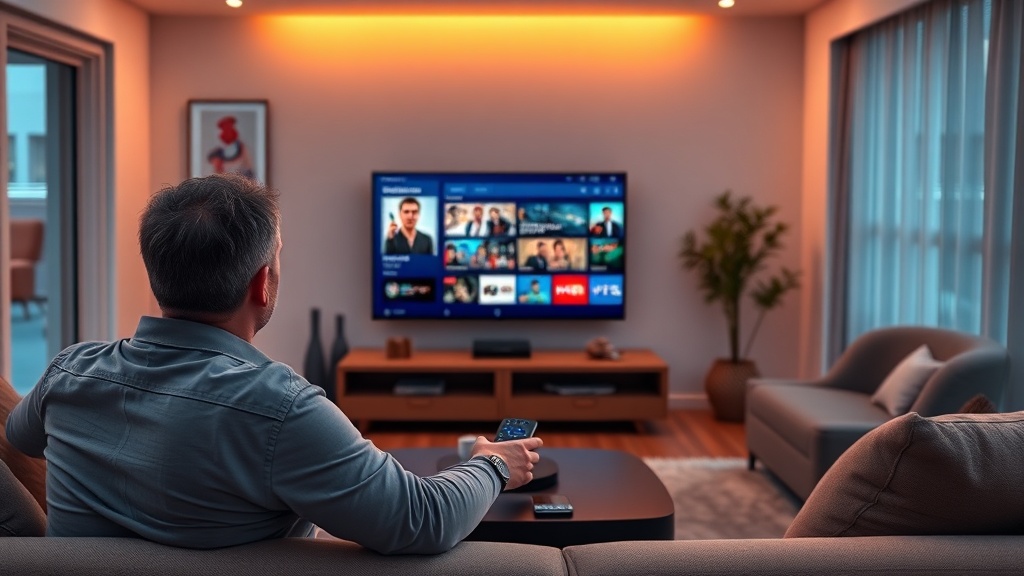
    IPTV VOD

    Related Articles

  • Ultimate IPTV EPG guide Guide 2026

    Ultimate IPTV EPG guide Guide 2026

    IPTV EPG guide

    IPTV EPG guide is an indispensable tool for anyone looking to maximize their Internet Protocol Television (IPTV) experience. In 2026, the landscape of digital entertainment continues to evolve rapidly, making a robust and intuitive IPTV EPG guide more crucial than ever. This comprehensive guide will delve into what an IPTV EPG guide is, why it’s so important, and how to get the most out of it in the coming year. Understanding your IPTV EPG guide is key to unlocking a seamless and enjoyable viewing journey.

    Table of ContentsWhat is an IPTV EPG Guide and Why is it Essential in 2026?Key Features to Look for in Your IPTV EPG GuideOptimizing Your Viewing Experience with an Advanced IPTV EPG GuideTroubleshooting Common Issues with Your IPTV EPG GuideThe Future of the IPTV EPG Guide: Innovations in 2026 and BeyondChoosing the Best IPTV EPG Guide for Your NeedsFAQ Section on IPTV EPG GuideRelated IPTV Services

    What is an IPTV EPG Guide and Why is it Essential in 2026?

    An IPTV EPG (Electronic Program Guide) guide is essentially your digital TV schedule, but far more advanced than traditional linear TV guides. It provides a detailed, up-to-the-minute listing of all programs, movies, and shows available on your IPTV service. This includes not just current and upcoming broadcasts, but often also information about past programs available on-demand. In 2026, with the sheer volume of content available across countless channels and streaming platforms, a reliable IPTV EPG guide is not just a convenience; it’s a necessity.

    The core function of an IPTV EPG guide is to give users control and clarity over their viewing choices. Imagine sifting through hundreds, if not thousands, of channels without any organizational structure. It would be a frustrating and time-consuming endeavor. The IPTV EPG guide transforms this potential chaos into an organized, user-friendly interface, allowing you to browse by time, channel, genre, or even search for specific titles. This level of detail and accessibility is paramount in an era where personalized content consumption is the norm.

    Furthermore, in 2026, many IPTV EPG guides now integrate advanced features such as program reminders, recording capabilities, and even direct links to on-demand content related to a live broadcast. This integration elevates the IPTV EPG guide from a simple schedule viewer to a central hub for managing your entire digital entertainment. Without a well-implemented IPTV EPG guide, users would struggle to discover new content, keep track of their favorite shows, or even understand what’s available on their chosen IPTV channels.

    The evolution of IPTV technology has also led to more dynamic and interactive IPTV EPG guide experiences. No longer are they static grids; modern EPGs often feature rich metadata, including cast information, synopses, ratings, and even links to trailers. This enhanced information empowers viewers to make informed decisions about what to watch, saving time and reducing content fatigue. The importance of an effective IPTV EPG guide cannot be overstated in today’s content-rich environment.

    Key Features to Look for in Your IPTV EPG Guide

    When choosing an IPTV service or evaluating your current one, the quality and features of its IPTV EPG guide should be a significant consideration. A top-tier IPTV EPG guide offers more than just a list of programs. One crucial feature is an intuitive user interface. The guide should be easy to navigate, with clear visual cues and logical categorization. You shouldn’t have to spend precious viewing time trying to figure out how to find a program or set a reminder.

    Another essential feature is comprehensive and accurate data. An effective IPTV EPG guide provides detailed program information, including show titles, descriptions, broadcast times, and channel numbers. It should also be regularly updated to reflect any last-minute schedule changes. Outdated or incomplete EPG data can lead to missed shows and a frustrating user experience, undermining the very purpose of an IPTV EPG guide.

    Advanced search and filtering capabilities are also vital. With potentially thousands of hours of content, being able to quickly search for a specific show, movie, or even actor is a huge benefit. Filters by genre, category, or even language enhance the discoverability of content. This allows users to personalize their viewing experience and quickly pinpoint exactly what they want to watch, making the IPTV EPG guide a powerful discovery tool.

    Integration with other IPTV functionalities is a hallmark of an outstanding IPTV EPG guide. This includes seamless transitions to live TV, on-demand content, and recording features. For instance, you should be able to select a program from the IPTV EPG guide and instantly start watching it, record it for later, or find related on-demand episodes. This interconnectedness creates a holistic and convenient entertainment experience, driving user satisfaction.

    Optimizing Your Viewing Experience with an Advanced IPTV EPG Guide

    IPTV EPG guide

    An advanced IPTV EPG guide isn’t just about showing you what’s on; it’s about empowering you to tailor your viewing experience to your preferences. One way to optimize is by utilizing personalization features. Many modern IPTV EPG guides allow you to create favorite channel lists, which can significantly reduce clutter and make it easier to find the channels you watch most often. Some even offer personalized recommendations based on your viewing history, a feature that truly elevates the IPTV EPG guide.

    Time-shifting capabilities, often integrated with the IPTV EPG guide, are another powerful optimization tool. This includes features like “catch-up TV,” allowing you to watch programs that aired recently, and “start-over,” which lets you restart a live program from the beginning. These features, often accessible directly from the EPG interface, give you unprecedented flexibility over when and how you consume content, making the IPTV EPG guide a control center.

    Leveraging search and filtering to its fullest potential is also key. Don’t just scroll aimlessly. Use the search bar to find specific titles or genres. Filter by category to discover new content within your preferred niches. An efficient IPTV EPG guide makes content discovery a breeze, ensuring you’re always finding something engaging to watch without endless browsing. This proactive approach saves time and enhances enjoyment.

    Finally, exploring the settings and customization options within your IPTV EPG guide can unlock hidden potential. This might include changing the display layout, adjusting font sizes, or even setting up parental controls. A well-configured IPTV EPG guide is one that perfectly matches your individual needs and preferences. By taking the time to explore these options, you can transform your viewing experience from good to exceptional, all thanks to your robust IPTV EPG guide.

    Troubleshooting Common Issues with Your IPTV EPG Guide

    While an IPTV EPG guide is designed to simplify your viewing, occasional issues can arise. Understanding how to troubleshoot common problems can save you a lot of frustration. One frequent issue is missing or outdated EPG data. This can often be resolved by simply refreshing the EPG data within your IPTV application or device settings. Most IPTV services provide an option to “update EPG” or “refresh guide” which pulls the latest information, ensuring your IPTV EPG guide is current.

    Another common problem is incorrect time synchronization, leading to programs being listed at the wrong times. This usually stems from incorrect time zone settings on your IPTV device or application. Check your device’s date and time settings and ensure they are set to your local time zone. Sometimes, simply restarting your device can also resolve minor synchronization glitches, allowing the IPTV EPG guide to display accurate times.

    Performance issues, such as slow loading times or freezing of the IPTV EPG guide, can also occur. These are often related to your internet connection speed or the processing power of your IPTV device. Ensure your internet connection is stable and fast enough to handle streaming and EPG data. If using an older device, consider checking for firmware updates or, if necessary, upgrading to a more powerful IPTV device that can handle the demands of a modern IPTV EPG guide.

    If you’re experiencing persistent issues with your IPTV EPG guide, don’t hesitate to consult your IPTV service provider’s support documentation or contact their customer service. They can often provide specific solutions tailored to their service and your device. Remember, a fully functional IPTV EPG guide is crucial for a smooth viewing experience, so addressing these issues promptly is important.

    The Future of the IPTV EPG Guide: Innovations in 2026 and Beyond

    The IPTV EPG guide is far from static; it’s an evolving technology that continues to integrate new innovations. In 2026, we’re seeing a trend towards even more personalized and predictive EPG experiences. Artificial intelligence (AI) is playing a significant role, with EPGs learning your viewing habits to proactively suggest content you might enjoy, even before you search for it. This move towards a truly smart IPTV EPG guide will revolutionize content discovery.

    Voice control integration is becoming standard, allowing users to navigate their IPTV EPG guide, search for shows, and even set reminders using simple voice commands. This hands-free approach enhances convenience and accessibility, making the IPTV EPG guide more user-friendly for a wider audience. Imagine simply saying “Show me action movies tonight” and your EPG instantly filters the results.

    Cross-platform synchronization is another exciting development. Your personalized IPTV EPG guide settings and viewing history will seamlessly follow you across different devices, from your smart TV to your tablet or smartphone. This continuity ensures a consistent and convenient experience, regardless of where or how you’re watching, making your IPTV EPG guide a truly ubiquitous tool.

    Furthermore, expect to see richer, more interactive content within the IPTV EPG guide itself. This could include mini-trailers playing directly in the guide, interactive polls related to live shows, or even direct links to merchandise from programs. The goal is to transform the IPTV EPG guide from a mere schedule into an immersive content portal, offering a deeper engagement with your entertainment. The future of the IPTV EPG guide promises an even more intuitive and integrated viewing experience.

    Choosing the Best IPTV EPG Guide for Your Needs

    Selecting an IPTV service often means choosing an accompanying IPTV EPG guide. The “best” EPG guide is subjective and depends heavily on your individual viewing habits and preferences. However, there are several factors to consider to ensure you pick one that suits your needs. First, evaluate the user interface. Is it clean, intuitive, and easy to navigate? A clunky interface can quickly detract from your enjoyment, no matter how much content is available. Look for an IPTV EPG guide that prioritizes user experience.

    Next, consider the depth and accuracy of the program information. Does the IPTV EPG guide provide detailed descriptions, cast information, and accurate broadcast times? A sparse or frequently incorrect guide can lead to missed shows and frustration. High-quality metadata is a hallmark of a superior IPTV EPG guide. Don’t compromise on the quality of the information provided.

    Features like search, filtering, and personalization are also critical. If you watch a wide variety of content, robust search capabilities are a must. If you have specific preferences, the ability to create favorite lists or receive personalized recommendations will greatly enhance your experience. A good IPTV EPG guide should empower you to find what you want quickly and efficiently. You can also compare different IPTV pricing plans, as higher-tier subscriptions often come with more advanced EPG features.

    Finally, consider device compatibility. Will the IPTV EPG guide work seamlessly across all your preferred viewing devices? Whether it’s a smart TV, a streaming stick, or a mobile app, a consistent and reliable EPG experience across platforms is invaluable. A versatile IPTV EPG guide ensures you always have access to your program information, no matter where you are. Making an informed choice about your IPTV EPG guide is crucial for a satisfying digital TV experience in 2026.

    FAQ Section on IPTV EPG Guide

    Q1: What exactly does IPTV EPG stand for?

    A1: IPTV EPG stands for Internet Protocol Television Electronic Program Guide. It’s a digital interface that provides an organized schedule and information for all the content available on an IPTV service.

    Q2: Why is an IPTV EPG guide important for my viewing experience?

    A2: An IPTV EPG guide is crucial because it allows you to easily browse, search, and discover content across numerous channels. It provides program details, broadcast times, and often integrates features like reminders and recording, making content management simple and efficient.

    Q3: How do I update my IPTV EPG guide if the information is outdated?

    A3: Most IPTV applications and devices have an option to manually refresh or update the EPG data. This is typically found within the settings or guide section of your IPTV client. A simple restart of your device can also sometimes resolve minor data discrepancies.

    Q4: Can I customize my IPTV EPG guide?

    A4: Yes, many modern IPTV EPG guides offer customization options. These can include creating favorite channel lists, adjusting display layouts, setting up parental controls, and sometimes even receiving personalized content recommendations based on your viewing habits.

    Q5: What should I do if my IPTV EPG guide is slow or buggy?

    A5: If your IPTV EPG guide is slow or buggy, first check your internet connection and device’s performance. Ensure your device has sufficient resources and a stable connection. You can also try restarting your device or application, clearing its cache, or contacting your IPTV service provider for specific troubleshooting steps.

    You may also visit the following websites for similar services:
    IPTV EPG guide

    Related Articles

  • Complete IPTV player app Guide 2026

    Complete IPTV player app Guide 2026

    IPTV player app

    IPTV player app technology has revolutionized how we consume media, offering unparalleled access to a vast array of content directly over the internet. In 2026, the landscape of digital entertainment is more dynamic than ever, and a robust IPTV player app is your gateway to this exciting world. Understanding the nuances of choosing and utilizing the best IPTV player app can transform your viewing experience, providing flexibility, quality, and an extensive selection of channels and on-demand content. This guide will delve into everything you need to know to harness the full potential of IPTV in the coming year.

    Table of ContentsUnderstanding the Core of an IPTV Player AppKey Features to Look for in a Top IPTV Player App in 2026Optimizing Your Experience with an IPTV Player AppSecurity and Privacy with Your IPTV Player AppTroubleshooting Common Issues with Your IPTV Player AppThe Future of the IPTV Player App Landscape in 2026Choosing the Best IPTV Player App for Your NeedsFAQs about IPTV Player AppsRelated IPTV Services

    Understanding the Core of an IPTV Player App

    An IPTV player app is essentially the software interface that allows you to stream content delivered via Internet Protocol Television (IPTV). Unlike traditional cable or satellite, IPTV transmits television content over IP networks. Think of it as Netflix or YouTube, but for live TV channels, movies, and series, all delivered through a dedicated application. These apps act as the bridge between your IPTV service provider and your viewing device, decoding the streams and presenting them in a user-friendly format.

    The functionality of an IPTV player app extends beyond simply playing video. Modern apps often include features like electronic program guides (EPG), which display schedules for upcoming programs, allowing you to plan your viewing. Many also offer catch-up TV, enabling you to watch programs you missed, and video-on-demand (VOD) libraries, providing access to a vast collection of movies and TV shows at your convenience. The quality and features of an IPTV player app can significantly impact your overall satisfaction with an IPTV service.

    Choosing the right IPTV player app depends heavily on your device, your technical comfort level, and the specific features you prioritize. Some apps are designed for simplicity and ease of use, perfect for beginners, while others offer advanced customization options for power users. Compatibility with various operating systems, such as Android, iOS, Windows, macOS, and smart TVs, is also a crucial factor to consider when evaluating an IPTV player app.

    The evolution of network infrastructure in 2026, particularly with the widespread adoption of 5G and high-speed fiber optic internet, further enhances the capabilities of IPTV. This means smoother streaming, higher resolutions, and more reliable access to content, making the performance of your chosen IPTV player app even more critical. A well-optimized app can leverage these network advancements to deliver a seamless and immersive viewing experience.

    Key Features to Look for in a Top IPTV Player App in 2026

    When selecting an IPTV player app, a discerning eye for features will ensure you get the most out of your subscription. First and foremost, look for an intuitive user interface. A clunky or confusing interface can quickly detract from the enjoyment of your content. Navigation should be straightforward, allowing you to easily browse channels, search for content, and access settings without frustration. The best IPTV player app prioritizes user experience above all else.

    Electronic Program Guide (EPG) support is another non-negotiable feature. An EPG provides a TV-like schedule, showing what’s currently playing and what’s coming up. This is invaluable for planning your viewing and discovering new content. Without a good EPG, navigating hundreds or thousands of channels can become a tedious task. Ensure the EPG is regularly updated and easy to read.

    Support for multiple playlists and formats is also critical. Your IPTV service provider might offer M3U URLs, Xtream Codes API access, or other formats. A versatile IPTV player app should be able to handle these different inputs seamlessly. This flexibility ensures you’re not locked into a specific provider or format. Moreover, the ability to switch between different playlists can be incredibly useful if you subscribe to multiple services or want to test different providers.

    Customization options, such as theme changes, font adjustments, and the ability to organize channels into favorites or custom categories, enhance the personal viewing experience. Advanced features like parental controls, multi-screen viewing, and recording capabilities (PVR/DVR) can further elevate an IPTV player app from good to excellent. For a comprehensive overview of available channels, visit our channels page.

    Finally, consider the app’s performance and stability. Frequent buffering, crashes, or slow loading times can ruin your viewing experience. Read reviews, test free trials if available, and ensure the app is regularly updated by its developers. A well-maintained IPTV player app is more likely to offer a stable and secure streaming environment in 2026.

    Optimizing Your Experience with an IPTV Player App

    IPTV player app

    Once you’ve chosen your preferred IPTV player app, optimizing its settings and your overall setup can significantly enhance your streaming quality and reliability. The first step is to ensure you have a stable and fast internet connection. While an IPTV player app can do wonders, it cannot magically fix a slow or intermittent connection. A wired Ethernet connection is always preferable for streaming, as it offers greater stability and speed compared to Wi-Fi, though modern Wi-Fi 6/6E routers can also provide excellent performance.

    Within the IPTV player app itself, explore the video settings. Many apps allow you to adjust buffer sizes, select different video decoders (hardware vs. software), and choose preferred audio tracks. Experimenting with these settings can sometimes resolve buffering issues or improve picture quality, especially on less powerful devices. Understanding these options is key to fine-tuning your IPTV player app.

    Regularly updating your IPTV player app is crucial. Developers frequently release updates that include bug fixes, performance improvements, and new features. Keeping your app current ensures you have the most stable and feature-rich version available. Similarly, ensure your device’s operating system is also up-to-date, as this can impact app compatibility and performance.

    For users with extensive channel lists, utilizing the favorites feature within your IPTV player app can save a lot of time. Instead of scrolling through thousands of channels, you can quickly access your most watched content. Many apps also allow for custom grouping of channels, which can be incredibly useful for organizing sports, news, or entertainment channels into logical categories. To learn more about our competitive pricing, check out our pricing plans.

    Consider the device you’re using. While an IPTV player app can run on many platforms, dedicated streaming devices like Android TV boxes, Amazon Fire Sticks, or Apple TV often provide a smoother and more optimized experience due to their hardware capabilities and software ecosystems. These devices are designed for media consumption, making them an ideal host for your IPTV player app.

    Security and Privacy with Your IPTV Player App

    In 2026, digital security and privacy are paramount, especially when dealing with online streaming services. When using an IPTV player app, it’s essential to be mindful of the source of your IPTV service and the app itself. Always download apps from official app stores or reputable developers to minimize the risk of malware or security vulnerabilities. A trustworthy IPTV player app will prioritize user data protection.

    While an IPTV player app itself doesn’t typically host content, it acts as a client to connect to your IPTV provider’s servers. Therefore, the security of your connection to the IPTV service is vital. Many users opt to use a Virtual Private Network (VPN) when streaming IPTV. A VPN encrypts your internet traffic, providing an additional layer of privacy and security. It can also help bypass geo-restrictions that some content providers might impose, allowing you to access a wider range of content through your IPTV player app.

    Be cautious about sharing your IPTV subscription details. Your M3U URL or Xtream Codes login is your personal access key to the service. Sharing it can not only compromise your account but also potentially lead to your service being terminated by the provider. Always keep your credentials secure and only use them within your chosen IPTV player app on your authorized devices.

    Review the permissions requested by an IPTV player app during installation. Reputable apps will only ask for necessary permissions, such as network access. If an app requests unusual permissions, such as access to your contacts or SMS messages, it’s a red flag and should be avoided. A transparent and secure IPTV player app will be upfront about its data handling practices.

    Finally, be aware of the legality of the IPTV service you are using. While an IPTV player app is generally legal, the content you access through it may not always be. Ensure your IPTV provider is legitimate and licensed to distribute the content they offer in your region. This due diligence helps protect you from potential legal issues and ensures you’re supporting ethical content distribution. For information on compatible devices, visit our devices page.

    Troubleshooting Common Issues with Your IPTV Player App

    Even with the best IPTV player app, you might occasionally encounter issues. Knowing how to troubleshoot common problems can save you a lot of frustration. The most frequent complaint is buffering. This is usually caused by a slow internet connection, but it can also be due to an overloaded server from your IPTV provider or an issue with your Wi-Fi signal. Try restarting your router and modem, and if possible, connect your device via Ethernet. Within your IPTV player app, try lowering the video quality or adjusting buffer settings.

    “Channel not working” or “stream unavailable” messages are also common. First, check if other channels are working. If only a specific channel is down, it’s likely an issue with the IPTV provider’s stream for that channel. If all channels are down, verify your internet connection. You can also try refreshing your playlist within the IPTV player app or contacting your IPTV service provider for assistance. Sometimes, a simple app restart or device reboot can resolve these temporary glitches.

    App crashes or freezing can be frustrating. Ensure your IPTV player app is updated to the latest version, as bugs are often fixed in new releases. Clear the app’s cache and data from your device’s settings; this can often resolve performance issues without losing your settings or playlists. If the problem persists, reinstalling the app might be necessary. Before doing so, make sure you have your IPTV service credentials handy.

    EPG not loading or showing incorrect information is another common issue. This can be due to a problem with the EPG URL provided by your service or a temporary server issue. Try refreshing the EPG data within your IPTV player app’s settings. If that doesn’t work, contact your IPTV provider to verify the correct EPG URL and check for any known issues on their end. A properly functioning IPTV player app relies on accurate EPG data.

    Audio-visual synchronization problems can also occur. This might be due to a specific video decoder setting or a temporary network hiccup. Experiment with different video decoders (hardware vs. software) in your IPTV player app’s settings. If the issue is persistent across all content, try restarting your device or checking for firmware updates on your streaming hardware. Sometimes, simply pausing and resuming the stream can resynchronize the audio and video.

    The Future of the IPTV Player App Landscape in 2026

    The trajectory of the IPTV player app market in 2026 points towards even greater integration, personalization, and advanced features. We can expect to see more sophisticated AI-driven recommendation engines that learn your viewing habits and suggest content tailored precisely to your tastes. This level of personalization will transform how users discover and engage with content through their IPTV player app.

    Interactivity is another area poised for significant growth. Imagine an IPTV player app that allows for real-time polling during live events, direct access to social media feeds related to the content you’re watching, or even interactive games integrated with broadcasts. These features will move beyond passive viewing, creating a more engaging and immersive experience. The potential for such innovations within an IPTV player app is vast.

    Cross-device compatibility and seamless hand-off features will become standard. Starting a show on your smart TV and continuing it on your tablet or smartphone without missing a beat will be a common expectation. Cloud synchronization of watch history, favorites, and settings across all your devices will ensure a consistent experience, no matter where or how you choose to watch. This interconnectedness will define the premium IPTV player app experience.

    The integration of virtual reality (VR) and augmented reality (AR) elements into the IPTV player app experience is also on the horizon. While still in nascent stages, imagine watching a sports game with AR overlays providing real-time statistics or experiencing a concert in a VR environment. These technologies, though demanding in terms of hardware and bandwidth, promise a revolutionary way to consume content through your IPTV player app.

    Sustainability and efficiency will also play a role in the development of future IPTV player app solutions. Optimized code, lower power consumption, and efficient data usage will be key considerations for developers, aligning with broader technological trends. As streaming becomes more prevalent, the environmental impact of data centers and network infrastructure will lead to a demand for greener, more efficient software solutions for every IPTV player app.

    Choosing the Best IPTV Player App for Your Needs

    Selecting the ideal IPTV player app in 2026 involves a careful consideration of your individual requirements and preferences. There isn’t a one-size-fits-all answer, as the “best” app will vary from person to person. Start by assessing your primary device. Are you predominantly watching on a smart TV, an Android box, a computer, or a mobile device? Some apps are optimized for specific platforms, offering a superior experience on those devices.

    Consider the type of content you consume most. If you’re a sports enthusiast, an IPTV player app with excellent EPG support and fast channel switching might be paramount. If movies and series are your focus, a robust VOD library interface and seamless integration with subtitle services could be more important. Your viewing habits should guide your selection process for an IPTV player app.

    Budget is also a factor. While many basic IPTV player apps are free, premium versions often come with advanced features, better support, and an ad-free experience. Evaluate if the additional cost for a paid IPTV player app justifies the enhanced features and improved user experience it offers. Sometimes, a small investment can lead to a significantly better overall streaming journey.

    Read reviews and seek recommendations from other users. Online forums, tech blogs, and app store reviews can provide valuable insights into the performance, reliability, and user satisfaction of various IPTV player apps. However, always take reviews with a grain of salt and try to get a balanced perspective. A community-backed IPTV player app often indicates reliability and good support.

    Finally, don’t be afraid to experiment. Many IPTV player apps offer free trials or basic free versions. Download a few contenders and test them out with your IPTV service. See which interface you find most intuitive, which offers the smoothest performance on your device, and which set of features best aligns with your needs. The hands-on experience is often the most effective way to determine the best IPTV player app for you in 2026.

    FAQs about IPTV Player Apps

    Q1: Is an IPTV player app legal to use?

    A1: Yes, the IPTV player app itself is generally legal. It’s simply software that plays streaming content. The legality hinges on the IPTV service you subscribe to. If your IPTV provider is legitimately licensed to distribute the content they offer, then using an IPTV player app to access their service is legal. Always ensure your provider is reputable.

    Q2: Do I need a VPN to use an IPTV player app?

    A2: While not strictly mandatory, using a VPN with your IPTV player app is highly recommended. A VPN enhances your online privacy and security by encrypting your internet traffic. It can also help you bypass geo-restrictions, allowing access to content that might not be available in your region, thereby maximizing the utility of your IPTV player app.

    Q3: Can I record shows with an IPTV player app?

    A3: Many advanced IPTV player apps offer PVR (Personal Video Recorder) or DVR (Digital Video Recorder) functionalities. This allows you to record live TV shows and watch them later. However, this feature often depends on the capabilities of the IPTV service provider and the specific IPTV player app you are using. Check the app’s features and your provider’s terms of service.

    Q4: What’s the difference between an IPTV player app and an IPTV service?

    A4: An IPTV service is the subscription-based provider that delivers the actual channels, movies, and TV shows over the internet. An IPTV player app is the software application you install on your device (smart TV, phone, tablet, etc.) that allows you to connect to and watch the content provided by your IPTV service. They work hand-in-hand.

    Q5: How do I add channels to my IPTV player app?

    A5: Channels are typically added to an IPTV player app by inputting a playlist URL (often an M3U file) or by configuring Xtream Codes API details provided by your IPTV service provider. Most apps have a clear section in their settings or initial setup wizard for adding these credentials. Refer to your IPTV provider’s instructions for the specific details needed for your IPTV player app.

    You may also visit the following websites for similar services:

    IPTV player app

    Related Articles

  • Amazing IPTV box Guide 2026

    Amazing IPTV box Guide 2026

    IPTV box

    IPTV box technology has revolutionized the way we consume television content, offering unparalleled flexibility and a vast array of entertainment options. In 2026, the landscape of digital media continues to evolve rapidly, making the selection of the perfect IPTV box more critical than ever. This comprehensive guide will walk you through everything you need to know about IPTV box devices, from understanding their core functionalities to identifying the features that truly matter for an exceptional viewing experience. Whether you’re a seasoned streaming enthusiast or new to the world of Internet Protocol Television, finding the right IPTV box can significantly enhance your home entertainment setup.

    Table of ContentsUnderstanding the Evolution of the IPTV BoxKey Features to Look for in an IPTV Box in 2026Setting Up Your New IPTV Box: A Step-by-Step GuideOptimizing Performance for Your IPTV BoxThe Future of the IPTV Box and Streaming TechnologyTroubleshooting Common IPTV Box IssuesChoosing Your IPTV Box: A Final Decision GuideFAQ About IPTV BoxesRelated IPTV Services

    Understanding the Evolution of the IPTV Box

    The journey of the IPTV box began with simple set-top boxes designed to deliver a handful of channels over an internet connection. Fast forward to 2026, and these devices have transformed into sophisticated media hubs, capable of streaming 4K HDR content, supporting advanced gaming, and integrating seamlessly with smart home ecosystems. Early models often struggled with buffering and limited channel selections, but advancements in network infrastructure and processing power have largely eliminated these issues. Today’s IPTV box is a powerful mini-computer, optimized for media playback and offering a user-friendly interface.

    The shift from traditional cable and satellite television to IPTV is driven by several factors, including cost savings, personalized content, and on-demand viewing. Consumers are increasingly seeking alternatives that offer greater control over what they watch and when they watch it. An IPTV box serves as the gateway to this new era of television, consolidating various streaming services and live TV channels into a single, accessible platform. This convergence of entertainment options makes the IPTV box an indispensable device for modern households.

    Moreover, the rise of specialized IPTV providers has expanded the content available through an IPTV box exponentially. From international channels to niche sports broadcasts and an extensive library of movies and TV shows, the possibilities are virtually limitless. This diversity of content requires a robust IPTV box that can handle various codecs, resolutions, and streaming protocols without compromise. Understanding these underlying technological shifts is crucial for making an informed decision when purchasing your next device.

    The integration of artificial intelligence and machine learning into IPTV box software is another significant development. These technologies enable personalized recommendations, intelligent content search, and even adaptive streaming, where the picture quality adjusts in real-time based on your internet connection. This ensures a consistently smooth viewing experience, even in less-than-ideal network conditions. The future of the IPTV box is undoubtedly intelligent and user-centric.

    Key Features to Look for in an IPTV Box in 2026

    When selecting an IPTV box, several key features distinguish a good device from a great one. First and foremost is processing power. A powerful CPU and ample RAM are essential for smooth navigation, quick app loading, and seamless 4K streaming. Look for devices with multi-core processors and at least 4GB of RAM for optimal performance. Insufficient processing power can lead to frustrating lags and buffering, diminishing your overall viewing pleasure.

    Storage capacity is another critical consideration, especially if you plan to download apps, record live TV, or store media files locally. While many IPTV services are cloud-based, having internal storage allows for greater flexibility. Aim for an IPTV box with at least 32GB of internal storage, expandable via an SD card or USB drive. This ensures you have enough space for your favorite applications and any downloaded content.

    Connectivity options are also paramount. Ensure the IPTV box supports the latest Wi-Fi standards (Wi-Fi 6 or 6E) for fast and reliable wireless streaming. An Ethernet port is also highly recommended for a stable wired connection, especially for 4K content. USB 3.0 ports are useful for connecting external storage or peripherals, while HDMI 2.1 is essential for supporting 4K HDR and higher refresh rates on compatible TVs. You can explore the supported devices on our platform to see what works best.

    Software and user interface play a significant role in the overall experience of an IPTV box. Android TV and Google TV are popular operating systems, offering access to a vast ecosystem of apps and a familiar user experience. Look for devices that receive regular software updates to ensure security and access to the latest features. A clean, intuitive interface makes it easy to find content and navigate through settings, enhancing user satisfaction.

    Finally, consider codec support. An IPTV box should support a wide range of video and audio codecs, including HEVC (H.265) for efficient 4K streaming, VP9 for YouTube 4K, and AV1 for future-proofing. Audio codecs like Dolby Atmos and DTS-HD Master Audio are crucial for an immersive sound experience if you have a compatible sound system. Checking these specifications will ensure your IPTV box is ready for any content you throw at it.

    Setting Up Your New IPTV Box: A Step-by-Step Guide

    IPTV box

    Once you’ve chosen your ideal IPTV box, the setup process is generally straightforward. First, connect the IPTV box to your television using an HDMI cable. Ensure your TV is set to the correct HDMI input. Next, power on the device by connecting it to a power outlet. Most modern IPTV boxes come with a power adapter; use the one provided for optimal performance and safety.

    Upon initial boot-up, you’ll typically be guided through a setup wizard. This usually involves selecting your language, connecting to your Wi-Fi network (or plugging in an Ethernet cable), and signing in with your Google account (if it’s an Android-based IPTV box). A stable internet connection is crucial for the IPTV box to function correctly. If you encounter issues, try restarting your router or moving the IPTV box closer to your Wi-Fi access point.

    After the basic setup, you’ll need to install your preferred IPTV application. Many IPTV boxes come pre-installed with a media player or app store. You can usually find popular IPTV apps like Kodi, Perfect Player, or your provider’s dedicated app in the device’s app store. Download and install the application you intend to use for your IPTV service. Some providers may require you to sideload their app, which involves installing it from a file rather than an app store.

    Once the IPTV app is installed, you’ll need to configure it with your IPTV service details. This typically involves entering a subscription code, M3U URL, or Xtream Codes API credentials provided by your IPTV provider. Make sure to double-check these details for accuracy to avoid connection issues. After entering the credentials, the app will usually load your channel list and VOD library. If you’re looking for competitive offerings, check our pricing page for more details.

    Finally, explore the settings of your IPTV box and the IPTV application. Adjust display settings, audio output, and any other preferences to optimize your viewing experience. Familiarize yourself with the remote control and any shortcut buttons. Many IPTV boxes also offer voice control capabilities, which can be a convenient way to search for content or launch applications. With these steps, your IPTV box will be ready to deliver endless entertainment.

    Optimizing Performance for Your IPTV Box

    Even the most powerful IPTV box can benefit from optimization to ensure a consistently smooth and high-quality viewing experience. One of the primary areas for optimization is your internet connection. Ensure you have sufficient bandwidth, especially if you’re streaming 4K content. A dedicated internet speed of at least 25 Mbps is recommended for smooth 4K streaming, and even higher if multiple devices are using the network simultaneously. Consider upgrading your internet plan if you frequently experience buffering.

    Network stability is just as important as speed. Whenever possible, use a wired Ethernet connection for your IPTV box. This bypasses potential Wi-Fi interference and provides a more reliable connection. If Wi-Fi is your only option, ensure your router is centrally located, free from obstructions, and consider using a Wi-Fi extender or a mesh Wi-Fi system to improve coverage and signal strength in your entertainment area.

    Regular maintenance of your IPTV box software is also crucial. Keep the operating system and all installed applications updated to their latest versions. Updates often include performance enhancements, bug fixes, and security patches. Clear the cache of your IPTV applications periodically, as accumulated cache data can slow down the device over time. Many IPTV boxes have built-in tools for clearing cache and managing storage.

    Manage background applications. Just like a smartphone or computer, an IPTV box can run multiple apps in the background, consuming valuable resources. Close any unused applications to free up RAM and CPU cycles for your IPTV streaming. Some advanced IPTV boxes offer task managers or optimization tools to help you manage running processes efficiently. This ensures that your IPTV box is always dedicating its resources to delivering your content.

    Lastly, consider the physical environment of your IPTV box. Ensure it has adequate ventilation to prevent overheating, which can lead to performance degradation and shorten the device’s lifespan. Avoid placing it in enclosed cabinets or stacking other electronics on top of it. A cool, well-ventilated IPTV box will perform more reliably and last longer, providing you with years of entertainment. Check out the extensive channel list available on our service to see what you could be enjoying.

    The Future of the IPTV Box and Streaming Technology

    The trajectory of the IPTV box is set to continue its rapid evolution, driven by advancements in network technology, content creation, and user expectations. One of the most anticipated developments is the widespread adoption of 8K streaming. As 8K televisions become more affordable, the demand for IPTV boxes capable of delivering this ultra-high-resolution content will grow. This will require even more powerful processors, advanced video codecs, and significantly faster internet speeds.

    Integration with smart home ecosystems will also deepen. Imagine an IPTV box that seamlessly communicates with your smart lights, adjusting ambient lighting based on the content you’re watching, or pausing a show when your smart doorbell rings. Voice control will become even more sophisticated, allowing for complex commands and personalized interactions. The IPTV box will evolve into a central hub for smart entertainment and home automation.

    The role of artificial intelligence and machine learning will expand beyond personalized recommendations. AI could be used to enhance video quality in real-time, upscaling lower-resolution content to near-4K or 8K, or even intelligently removing artifacts and noise. Predictive buffering, where the IPTV box anticipates your viewing habits and pre-loads content, will become more seamless, virtually eliminating buffering altogether. This will make the viewing experience on an IPTV box even more fluid.

    Cloud gaming and augmented reality (AR) are also poised to make their mark on the IPTV box. With faster internet speeds and more powerful hardware, the IPTV box could become a viable platform for cloud gaming, allowing users to stream high-end games without needing a dedicated console. AR applications, integrated with your television, could offer interactive overlays during live sports or educational programs, transforming passive viewing into an immersive experience. The possibilities for the IPTV box are truly exciting.

    Finally, the business models surrounding IPTV will continue to innovate. We might see more flexible subscription options, micro-transactions for specific content, or even ad-supported tiers that offer a balance between cost and access. The competition among IPTV providers will drive innovation in both content delivery and user experience, ensuring that the IPTV box remains at the forefront of home entertainment technology for years to come. The capabilities of an advanced IPTV box truly unlock a new world of digital entertainment.

    Troubleshooting Common IPTV Box Issues

    Even with the most advanced IPTV box, you might occasionally encounter issues. Knowing how to troubleshoot common problems can save you a lot of frustration. One of the most frequent issues is buffering or freezing. This is almost always related to your internet connection. First, check your internet speed using an online speed test. If it’s significantly lower than recommended, try restarting your router and modem. If you’re on Wi-Fi, try moving the IPTV box closer to your router or switching to an Ethernet connection.

    Another common problem is a black screen or no signal. Ensure your HDMI cable is securely connected to both the IPTV box and your TV. Try a different HDMI port on your TV or a different HDMI cable. Also, make sure your TV is set to the correct HDMI input. Sometimes, simply restarting the IPTV box (unplugging it from power for 30 seconds and plugging it back in) can resolve minor display glitches.

    App crashes or freezing can also occur. If an IPTV app is crashing frequently, try clearing its cache and data from the device settings. If that doesn’t work, uninstall and reinstall the app. Ensure your IPTV box operating system and the app itself are updated to the latest versions. If multiple apps are crashing, it might indicate a more general performance issue with the IPTV box, in which case a factory reset might be necessary as a last resort.

    Remote control not working is another common complaint. First, check the batteries. If they’re fresh, try re-pairing the remote with your IPTV box, if it’s a Bluetooth remote. For IR remotes, ensure there’s no obstruction between the remote and the IPTV box’s IR receiver. Sometimes, stray signals from other devices can interfere; try moving other electronics away from the IPTV box. A universal remote app on your smartphone can also be a temporary solution.

    If you’re experiencing issues with specific channels not loading, or a “stream not available” error, it could be an issue with your IPTV provider. First, check if other channels from the same provider are working. If not, contact your IPTV service provider’s support. It could be a server issue on their end, or your subscription might need to be refreshed. Remember, a robust IPTV box is only as good as the service it’s connected to. For any service-related questions, our support team at iptvput.com/contact is always ready to assist.

    Choosing Your IPTV Box: A Final Decision Guide

    Making the final decision on which IPTV box to purchase in 2026 involves weighing your specific needs against the available options. Start by defining your primary use case: are you a casual streamer, a 4K enthusiast, or someone who needs advanced gaming capabilities? Your budget will naturally play a significant role, but remember that investing a little more upfront for a quality IPTV box can save you frustration and the need for an early upgrade down the line.

    Consider the ecosystem you prefer. If you’re already deeply invested in Google services, an Android TV or Google TV-based IPTV box will offer the most seamless integration. If you prefer a more open-source approach, devices that support custom firmware or media center software like Kodi might be more appealing. The operating system greatly influences the user experience and the available app library. The perfect IPTV box should feel intuitive and responsive.

    Future-proofing is another important aspect. While 8K streaming might not be mainstream today, selecting an IPTV box that supports HDMI 2.1 and advanced codecs like AV1 will ensure your device remains relevant for longer. Similarly, ample RAM and storage will allow you to take advantage of new apps and features as they emerge without feeling constrained by hardware limitations. A future-ready IPTV box is a smart investment.

    Read reviews from reputable tech sites and user forums. Real-world experiences can provide invaluable insights into the performance, reliability, and quirks of different IPTV box models. Pay attention to comments regarding software updates, customer support, and common issues. A device with strong community support often means easier troubleshooting and access to helpful tips and tricks. The right IPTV box can truly transform your viewing habits.

    Finally, don’t forget the importance of a good IPTV service to complement your IPTV box. A powerful device paired with a subpar service will lead to a disappointing experience. Research providers, check their channel lineups, and read reviews about their reliability and customer support. The synergy between a high-quality IPTV box and a reliable service is what delivers the ultimate streaming experience. With these considerations, you’re well-equipped to choose the best IPTV box for your entertainment needs in 2026.

    FAQ About IPTV Boxes

    Q1: What exactly is an IPTV box?

    An IPTV box is a set-top box or media player that connects to your TV and uses your internet connection to stream television channels, movies, and on-demand content. Unlike traditional cable or satellite, IPTV (Internet Protocol Television) delivers content over the internet, offering more flexibility and a wider range of services.

    Q2: Do I need a special internet speed for an IPTV box?

    Yes, a stable and sufficiently fast internet connection is crucial. For standard definition (SD) content, at least 5-10 Mbps is recommended. For high definition (HD), aim for 15-20 Mbps, and for 4K Ultra HD content, you’ll need at least 25-50 Mbps, especially if multiple devices are streaming simultaneously.

    Q3: Can I use an IPTV box without a subscription?

    While an IPTV box itself is just hardware, to access live TV channels and extensive on-demand libraries, you typically need a subscription to an IPTV service. Some boxes come with access to free streaming apps, but these usually offer a limited selection of content compared to a dedicated IPTV service.

    Q4: What’s the difference between an IPTV box and a smart TV?

    A smart TV has built-in internet connectivity and apps, similar to an IPTV box. However, an IPTV box is often more powerful, offers more customization options, and can be specifically optimized for IPTV services, potentially providing a smoother and more robust streaming experience than a smart TV’s integrated apps. An IPTV box can also upgrade a non-smart TV.

    Q5: Are IPTV boxes legal?

    The legality of an IPTV box depends on the source of the content you are accessing. Using an IPTV box to stream content from legitimate, licensed IPTV providers is perfectly legal. However, using an IPTV box to access copyrighted content without proper authorization (e.g., through illegal streaming services) is illegal. Always ensure your IPTV provider is operating legally.

    You may also visit the following websites for similar services:
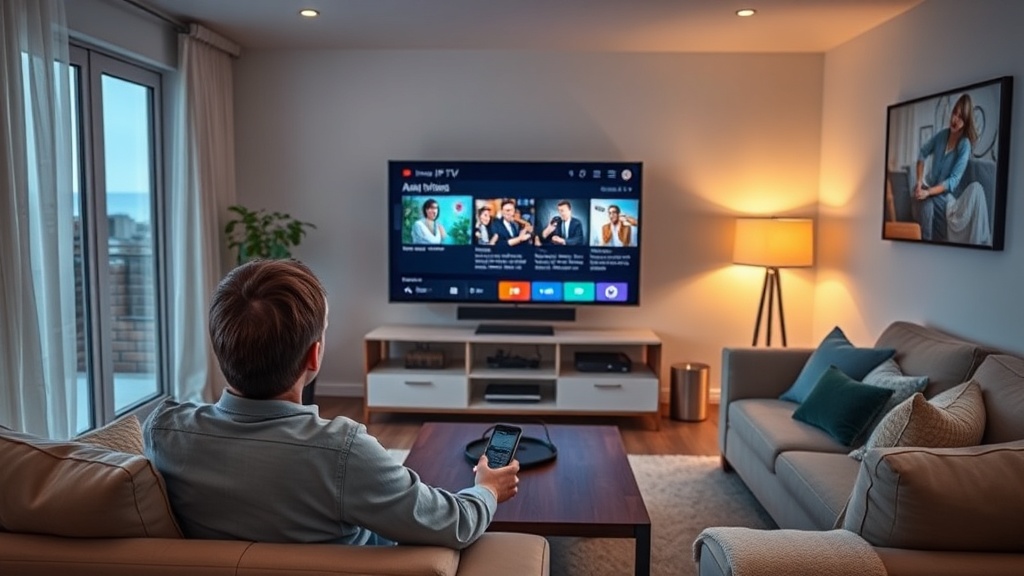
    IPTV box

    Related Articles

  • Proven 4K IPTV streaming Guide 2026

    Proven 4K IPTV streaming Guide 2026

    4K IPTV streaming

    4K IPTV streaming has revolutionized how we consume entertainment, offering unparalleled visual fidelity and a vast array of content. In 2026, the landscape of 4K IPTV streaming continues to evolve, bringing even more sophisticated features, seamless integration, and an ever-expanding library of ultra-high-definition programming. If you’re looking to elevate your viewing experience, understanding the nuances of 4K IPTV streaming is essential. This comprehensive guide will equip you with the knowledge needed to dive into the world of crystal-clear entertainment.

    Table of ContentsUnderstanding 4K IPTV Streaming: What’s New in 2026?Choosing the Best 4K IPTV Streaming ProviderOptimizing Your Setup for Seamless 4K IPTV StreamingEnhancing Your 4K IPTV Streaming Experience with the Right DevicesTroubleshooting Common Issues with 4K IPTV StreamingThe Future of 4K IPTV Streaming: Trends to Watch in 2026 and BeyondFAQs about 4K IPTV StreamingRelated IPTV Services

    Understanding 4K IPTV Streaming: What’s New in 2026?

    4K IPTV streaming, often referred to as Ultra HD IPTV, delivers content with a resolution of 3840 x 2160 pixels, which is four times the resolution of standard Full HD (1080p). This significant leap in pixel count translates to incredibly sharp images, finer details, and a more immersive viewing experience. In 2026, advancements in compression technologies like AV1 and VVC (Versatile Video Coding) are making 4K IPTV streaming even more efficient, reducing bandwidth requirements without compromising quality. This means smoother playback and less buffering, even for users with moderate internet speeds.

    Beyond resolution, 4K IPTV streaming in 2026 often incorporates High Dynamic Range (HDR) technology. HDR expands the range of colors and contrast, making bright areas brighter and dark areas deeper, resulting in a more lifelike and vibrant picture. When combined with the increased pixel density of 4K, HDR creates a truly stunning visual feast. Many providers now offer a wide selection of HDR-enabled content, from blockbuster movies to live sports, ensuring you get the most out of your 4K display.

    Another key development is the proliferation of smart features and AI integration within 4K IPTV streaming platforms. Voice commands are becoming more sophisticated, allowing users to navigate content, search for specific programs, and even control other smart home devices with greater ease. Personalized recommendations, powered by advanced algorithms, are also more accurate than ever, helping you discover new content tailored to your tastes. The overall user experience for 4K IPTV streaming is becoming increasingly intuitive and personalized.

    Furthermore, cloud-based DVR services are now standard for many 4K IPTV streaming providers. This allows you to record your favorite shows and movies in 4K quality and access them from any compatible device, without the need for local storage. This flexibility is a significant advantage for those who want to watch content on their own schedule. The convenience and quality offered by modern 4K IPTV streaming services are truly remarkable.

    Choosing the Best 4K IPTV Streaming Provider

    Selecting the right 4K IPTV streaming provider is crucial for a satisfying experience. With numerous options available, it’s important to consider several factors. First and foremost, assess the content library. Does the provider offer a wide range of 4K content, including movies, TV shows, sports, and documentaries? Look for providers that regularly update their content and offer a diverse selection to cater to different interests. You can check out iptvput.com/channels to see the vast array of channels available with a premium IPTV service.

    Next, evaluate the streaming quality and reliability. A good 4K IPTV streaming service should offer consistent 4K resolution with minimal buffering. Look for providers that utilize robust servers and have a proven track record of stable performance. Many providers offer free trials, which can be an excellent way to test their service before committing to a subscription. Pay attention to the picture quality, sound, and overall responsiveness of the platform during your trial.

    Customer support is another vital aspect. In case you encounter any technical issues or have questions, responsive and knowledgeable customer support can make a huge difference. Check reviews and testimonials to gauge the provider’s reputation for customer service. A provider that offers 24/7 support via multiple channels (live chat, email, phone) is generally a good sign of their commitment to user satisfaction. The quality of your 4K IPTV streaming experience can hinge on these details.

    Finally, consider the pricing and subscription plans. While some providers offer incredibly low prices, it’s often a trade-off for quality or reliability. Balance cost with the features and service quality. Look for transparent pricing with no hidden fees. Many providers offer various subscription tiers, allowing you to choose a plan that fits your budget and viewing habits. You can explore different pricing options at iptvput.com/pricing to find a plan that suits your needs for 4K IPTV streaming.

    Optimizing Your Setup for Seamless 4K IPTV Streaming

    4K IPTV streaming

    To fully enjoy 4K IPTV streaming, your home setup plays a critical role. The foundation of a great 4K experience is a fast and stable internet connection. For reliable 4K streaming, a minimum download speed of 25 Mbps is generally recommended, but 50 Mbps or higher is ideal, especially if multiple devices are using the network simultaneously. Consider upgrading your internet plan if you frequently experience buffering or drops in quality during 4K IPTV streaming.

    Your display device is equally important. To see true 4K quality, you’ll need a 4K compatible TV or monitor. Ensure your display supports HDR if you want to take advantage of enhanced color and contrast. Connect your streaming device to your TV using a high-speed HDMI cable (HDMI 2.0 or newer) to ensure proper transmission of 4K and HDR signals. Older HDMI cables may not be able to handle the increased bandwidth required for 4K IPTV streaming.

    The streaming device itself also matters. While many smart TVs have built-in IPTV apps, a dedicated 4K streaming box or stick often provides better performance, more features, and a wider range of app support. Devices like the NVIDIA Shield TV, Amazon Fire TV Cube, Apple TV 4K, and various Android TV boxes are excellent choices for 4K IPTV streaming. These devices typically have powerful processors and ample RAM to handle demanding 4K content smoothly.

    For the best audio experience, consider a soundbar or home theater system. While 4K focuses on visuals, immersive audio can greatly enhance your overall entertainment. Many 4K IPTV streaming services support advanced audio formats like Dolby Atmos and DTS:X, which can be truly transformative when paired with compatible audio equipment. Don’t underestimate the impact of good sound on your 4K IPTV streaming enjoyment.

    Enhancing Your 4K IPTV Streaming Experience with the Right Devices

    The device you use for 4K IPTV streaming can significantly impact the quality and fluidity of your viewing experience. As mentioned, dedicated streaming boxes or sticks often outperform built-in smart TV apps. When choosing a device, look for strong processing power and sufficient RAM to handle the demands of 4K video decoding and multitasking. Devices with quad-core or octa-core processors and at least 2GB of RAM are usually a good starting point for smooth 4K IPTV streaming.

    Operating system compatibility is another factor. Android TV devices offer great flexibility, allowing you to install a wide range of IPTV applications and customize your setup. Apple TV 4K provides a polished user interface and excellent integration with the Apple ecosystem. Amazon Fire TV devices are popular for their ease of use and integration with Alexa. Consider which ecosystem best suits your preferences and existing devices. For more information on compatible devices, visit iptvput.com/devices.

    Connectivity options are also important. While Wi-Fi is convenient, an Ethernet connection is always recommended for the most stable and reliable 4K IPTV streaming. A wired connection minimizes interference and ensures consistent bandwidth, reducing the likelihood of buffering or dropped frames. If a wired connection isn’t feasible, ensure your Wi-Fi router supports Wi-Fi 5 (802.11ac) or Wi-Fi 6 (802.11ax) and is placed optimally for strong signal strength.

    Remote control functionality and user interface design also contribute to the overall experience. A remote with voice control capabilities can make navigation much easier, especially when searching for specific content. A well-designed, intuitive user interface will allow you to quickly find and launch your favorite 4K IPTV streaming channels and apps without frustration. Spend some time researching device reviews to find one that offers the best combination of performance, features, and usability for 4K IPTV streaming.

    Troubleshooting Common Issues with 4K IPTV Streaming

    Even with the best setup, you might occasionally encounter issues with 4K IPTV streaming. One of the most common problems is buffering. This is usually caused by an insufficient internet connection speed or network congestion. First, try restarting your router and modem. If the problem persists, check your internet speed using an online speed test. If your speed is below the recommended minimum for 4K streaming, consider upgrading your internet plan or reducing the number of devices using your network simultaneously. Using an Ethernet cable instead of Wi-Fi can also significantly reduce buffering for 4K IPTV streaming.

    Another frequent issue is poor picture quality or pixelation. This can sometimes be due to the source content itself, but more often, it’s related to your internet speed or the quality settings within your IPTV app. Ensure your app is set to stream in 4K resolution if available. If your internet speed fluctuates, the app might automatically reduce the resolution to maintain playback, leading to a less-than-optimal 4K IPTV streaming experience. Check for any bandwidth-intensive activities happening in the background on your network.

    Audio-related problems, such as no sound or out-of-sync audio, can also occur. First, check the volume settings on your TV, streaming device, and IPTV app. Ensure all cables are securely connected, especially HDMI cables. If you’re using an external sound system, verify its settings and connections. Sometimes, a simple restart of your streaming device can resolve minor audio glitches. If the issue persists, consult your IPTV provider’s support documentation or contact their customer service.

    App crashes or freezing can be frustrating. This might be due to an outdated app version, insufficient device resources, or a software bug. Ensure your IPTV app and streaming device’s operating system are up to date. Try clearing the app’s cache or reinstalling it. If your device is older, it might struggle to handle demanding 4K IPTV streaming applications. In such cases, upgrading to a more powerful streaming device might be necessary to ensure a smooth and reliable experience.

    The future of 4K IPTV streaming is incredibly promising, with several exciting trends on the horizon for 2026 and beyond. One major development is the increasing adoption of 8K content. While 4K is still becoming mainstream, 8K TVs are already available, and content creators are beginning to experiment with even higher resolutions. As internet speeds continue to improve and compression technologies advance, 8K IPTV streaming will gradually become a reality, offering an even more detailed and immersive viewing experience.

    Personalization will reach new heights. AI and machine learning will play an even bigger role in curating content, suggesting programs, and even dynamically adjusting the viewing experience based on user preferences and mood. Imagine an IPTV service that knows exactly what you want to watch before you even search for it. This level of personalization will make 4K IPTV streaming an even more tailored and engaging experience for every user.

    Interactive features are also set to expand. We can expect more integration with augmented reality (AR) and virtual reality (VR) technologies, especially for live events like sports and concerts. Imagine watching a football game in 4K with the ability to switch camera angles, access real-time statistics overlaid on your screen, or even experience the stadium atmosphere in VR. These interactive elements will transform passive viewing into an active and engaging experience with 4K IPTV streaming.

    Another significant trend is the convergence of traditional broadcasting and IPTV. As more broadcasters transition to IP-based delivery, the lines between traditional TV and IPTV will blur further. This will lead to a more unified and seamless viewing experience, where users can access a vast array of content, both live and on-demand, all through a single intuitive platform. The accessibility and richness of 4K IPTV streaming will only continue to grow, making it the dominant form of entertainment consumption.

    FAQs about 4K IPTV Streaming

    Q1: What internet speed do I need for reliable 4K IPTV streaming?

    For reliable 4K IPTV streaming, a minimum download speed of 25 Mbps is recommended. However, for the best experience, especially if multiple devices are streaming simultaneously, 50 Mbps or higher is ideal to avoid buffering and ensure consistent quality.

    Q2: Do all IPTV providers offer 4K content?

    No, not all IPTV providers offer 4K content. While 4K IPTV streaming is becoming more common, it’s essential to check with your chosen provider to ensure they have a dedicated library of 4K programming. Many providers will highlight their 4K offerings on their website.

    Q3: Can I watch 4K IPTV streaming on a non-4K TV?

    You can watch 4K IPTV streaming on a non-4K TV, but you won’t experience the full 4K resolution. The content will be downscaled to the resolution of your TV (e.g., 1080p). To enjoy true 4K quality, a 4K compatible TV is required.

    Q4: What’s the difference between 4K and HDR in IPTV streaming?

    4K refers to the resolution (3840 x 2160 pixels), providing a sharper image with more detail. HDR (High Dynamic Range) enhances the color and contrast, making bright areas brighter and dark areas deeper, resulting in a more vibrant and lifelike picture. They are complementary technologies for an enhanced 4K IPTV streaming experience.

    Q5: Is 4K IPTV streaming legal?

    The legality of 4K IPTV streaming depends on the source of the content. If you are subscribing to a legitimate IPTV service that has proper licensing agreements for the content it provides, then it is legal. However, if an IPTV service offers copyrighted content without authorization, it is illegal, and using such services can have legal consequences. Always ensure your chosen provider is reputable and licensed.

    You may also visit the following websites for similar services:
    4K IPTV streaming

    Related Articles