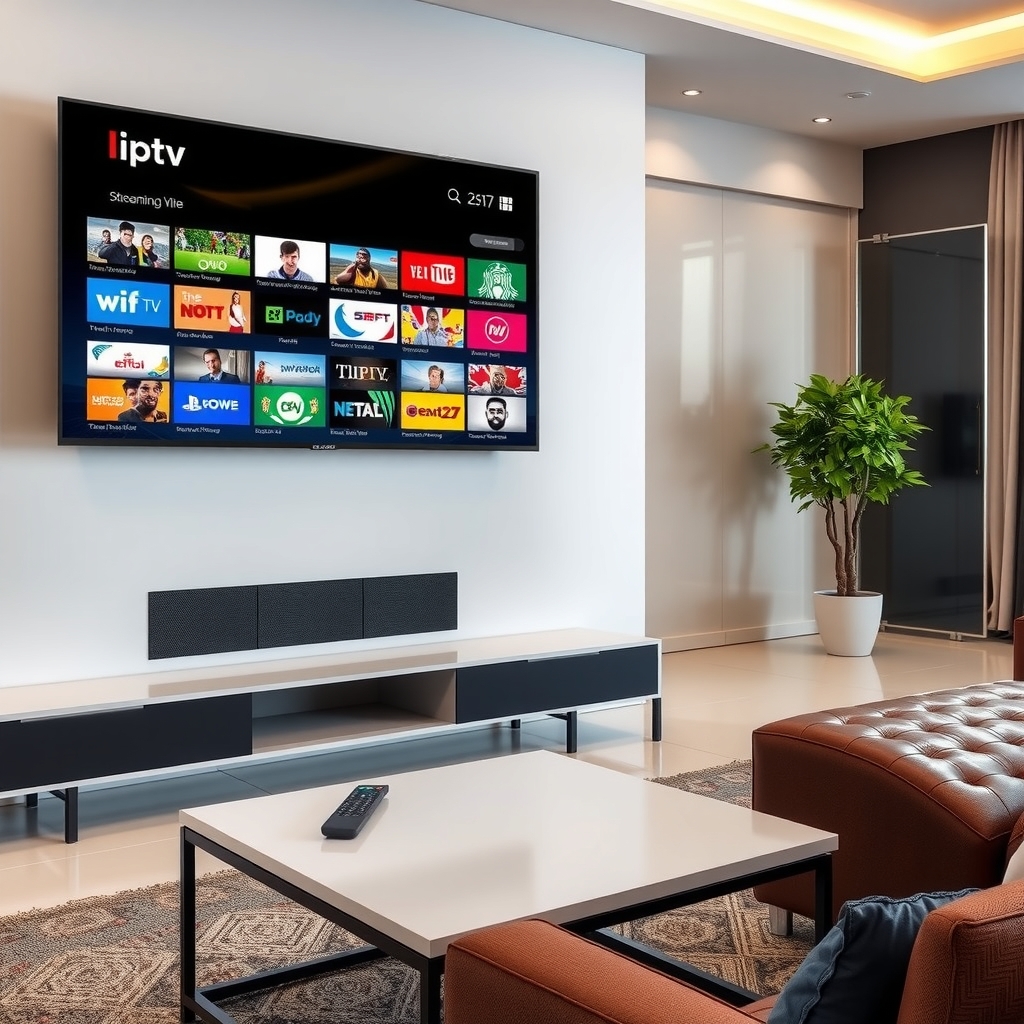
IPTV OTT platform technology is revolutionizing how we consume media, and by 2026, its evolution will have reached unprecedented levels. This comprehensive guide will delve into every facet of the modern IPTV OTT platform, exploring its core functionalities, benefits, and what to expect in the coming years. Understanding the nuances of an IPTV OTT platform is crucial for both consumers seeking superior entertainment experiences and businesses looking to capitalize on this burgeoning market.
Table of ContentsUnderstanding the Core of an IPTV OTT PlatformKey Advantages of an IPTV OTT Platform for ConsumersChoosing the Best IPTV OTT Platform for Your NeedsThe Future of IPTV OTT Platform Technology in 2026Security and Compliance in an IPTV OTT PlatformMonetization Strategies for an IPTV OTT PlatformFAQs about IPTV OTT PlatformRelated IPTV Services
Understanding the Core of an IPTV OTT Platform
At its heart, an IPTV OTT platform delivers television content over the internet, bypassing traditional cable or satellite providers. “IPTV” stands for Internet Protocol Television, and “OTT” means Over-The-Top, indicating that the content is delivered directly to the viewer over an open internet connection, without requiring a multi-system operator to be involved in the control or distribution of the content. This fundamental shift has opened up a world of possibilities, offering unparalleled flexibility and choice to viewers worldwide. The technological infrastructure behind a robust IPTV OTT platform involves high-speed internet connections, powerful content delivery networks (CDNs), and sophisticated encoding/decoding systems to ensure seamless streaming.
The beauty of an IPTV OTT platform lies in its ability to offer a highly personalized viewing experience. Unlike traditional broadcast television, where viewers are confined to a fixed schedule, IPTV OTT platforms allow for on-demand content, catch-up TV, and even interactive features. This level of control empowers viewers to watch what they want, when they want, and on virtually any device. The underlying architecture supports various streaming protocols, ensuring compatibility across a wide range of devices, from smart TVs and smartphones to tablets and streaming boxes.
Furthermore, an IPTV OTT platform often integrates advanced features such as live channel pausing, rewinding, and recording, replicating and often surpassing the capabilities of traditional DVRs. These features are made possible by sophisticated backend systems that manage content rights, user authentication, and data storage. The continuous innovation in this space means that by 2026, we can expect even more intuitive interfaces and AI-powered recommendations, further enhancing the user experience on any given IPTV OTT platform.
Security is another paramount aspect of any IPTV OTT platform. Robust encryption and digital rights management (DRM) systems are essential to protect copyrighted content from unauthorized access and piracy. As the market for IPTV OTT solutions expands, so does the need for ironclad security measures, ensuring that content creators are fairly compensated and that subscribers receive legitimate, high-quality streams. Providers are constantly investing in cutting-edge security protocols to safeguard their services and maintain user trust.
Key Advantages of an IPTV OTT Platform for Consumers
For consumers, the benefits of embracing an IPTV OTT platform are numerous and compelling. Foremost among these is the immense variety of content available. Unlike traditional TV packages that often bundle unwanted channels, an IPTV OTT platform allows for more customized subscriptions, often focusing on niche interests, international content, or specific genres. This à la carte approach means viewers only pay for what they truly want to watch, leading to significant cost savings and a more satisfying entertainment experience.
Another significant advantage is accessibility. An IPTV OTT platform is not tethered to a physical location or a specific device. Whether you’re at home, commuting, or traveling abroad, as long as you have an internet connection, you can access your subscribed content. This unparalleled portability has made IPTV OTT platforms incredibly popular among modern, on-the-go lifestyles. The ability to switch seamlessly between devices, picking up where you left off on a different screen, further enhances this flexibility.
The quality of streaming on an IPTV OTT platform has also seen remarkable improvements. With the widespread adoption of 4K and even 8K resolutions, coupled with high-fidelity audio, viewers can enjoy a cinematic experience from the comfort of their homes. Advanced buffering technologies and adaptive bitrate streaming ensure that the video quality adjusts dynamically to your internet speed, minimizing interruptions and maintaining a smooth viewing experience. This commitment to quality is a major draw for consumers.
Finally, the interactive nature of many IPTV OTT platforms stands out. Features like personalized recommendations, user profiles, and the ability to rate or review content foster a more engaging viewing environment. Some platforms even integrate social media features, allowing users to share their viewing habits or discuss shows with friends. This sense of community and personalization elevates the traditional passive viewing experience into something much more dynamic and user-centric, truly distinguishing an IPTV OTT platform from its predecessors.
Choosing the Best IPTV OTT Platform for Your Needs

Navigating the vast landscape of IPTV OTT platforms can be daunting, but with a clear understanding of your priorities, you can make an informed decision. The “best” platform is subjective and depends heavily on individual preferences, content requirements, and budget. When evaluating options, consider the breadth and depth of the content library. Does it offer the channels, movies, and series you’re most interested in? Look for platforms that frequently update their content to ensure a fresh and engaging viewing experience. You can explore our channels page to see the variety we offer.
Pricing is another critical factor. While an IPTV OTT platform generally offers more flexible pricing models than traditional cable, subscription costs can vary significantly. Compare monthly, quarterly, and annual plans, and look out for any hidden fees or long-term contracts. Many providers offer free trials, which are an excellent way to test the service before committing. Don’t forget to check out our pricing plans for competitive options tailored to various needs.
User experience and interface design play a crucial role in daily enjoyment. A well-designed IPTV OTT platform should be intuitive, easy to navigate, and visually appealing. Look for features like robust search functions, easy-to-create watchlists, and clear categorization of content. The responsiveness of the interface and the stability of the streaming app across different devices are also indicators of a high-quality service. A clunky interface can quickly detract from an otherwise good content offering.
Lastly, device compatibility and customer support are paramount. Ensure that the IPTV OTT platform you choose is compatible with your preferred streaming devices, whether that’s a smart TV, a streaming stick, a gaming console, or mobile devices. Check our supported devices for a comprehensive list. Furthermore, reliable customer support can be invaluable when you encounter technical issues or have questions about your subscription. Look for providers with multiple support channels, such as live chat, email, and phone support, and positive reviews regarding their responsiveness and helpfulness.
The Future of IPTV OTT Platform Technology in 2026
By 2026, the IPTV OTT platform landscape is projected to undergo even more transformative changes, driven by advancements in artificial intelligence, virtual reality, and enhanced connectivity. AI will play a pivotal role in personalizing content recommendations, making them eerily accurate and predictive of viewer preferences. Imagine an IPTV OTT platform that not only suggests shows you might like but also curates entire viewing schedules based on your mood, past interactions, and even biometric data, all in real-time. This level of personalization will redefine how we discover and engage with content.
Virtual Reality (VR) and Augmented Reality (AR) are set to converge with the IPTV OTT platform experience, offering immersive viewing environments. Picture watching a live sports event from a VR headset, feeling as though you’re in the stadium, with interactive overlays providing real-time statistics and multiple camera angles. Or perhaps an AR experience that projects characters from your favorite show into your living room. These technologies will transcend traditional flat-screen viewing, offering deeply engaging and interactive narratives that blur the lines between reality and digital content.
The rollout of 5G and future 6G networks will significantly boost the capabilities of any IPTV OTT platform. Faster speeds, lower latency, and increased bandwidth will enable seamless streaming of ultra-high-definition content, including 8K and beyond, even in crowded environments. This enhanced connectivity will also facilitate more complex interactive experiences and real-time multiplayer viewing parties, where friends can watch content together from different locations, interacting as if they were in the same room. The reliability and speed of these networks are crucial for realizing the full potential of advanced IPTV OTT platform features.
Furthermore, expect to see greater integration of an IPTV OTT platform with smart home ecosystems. Voice-controlled navigation, seamless content casting across devices, and automated content scheduling based on your daily routine will become commonplace. The convergence of entertainment, smart home technology, and personalized AI will create a truly intelligent and adaptive viewing experience, making the IPTV OTT platform an indispensable part of the connected home. The focus will be on creating a frictionless, intuitive, and deeply integrated media consumption environment.
Security and Compliance in an IPTV OTT Platform
As the adoption of an IPTV OTT platform grows, so does the importance of robust security measures and strict compliance with legal frameworks. Protecting content from piracy and ensuring user data privacy are paramount challenges that providers must continuously address. Digital Rights Management (DRM) systems are the backbone of content protection, employing various encryption and access control technologies to prevent unauthorized copying and distribution. By 2026, these DRM solutions will be even more sophisticated, leveraging AI and machine learning to detect and counteract new forms of piracy in real-time.
Beyond content protection, safeguarding user data is a critical aspect for any reputable IPTV OTT platform. Compliance with global data protection regulations, such as GDPR in Europe and CCPA in California, is not just a legal requirement but a fundamental trust-building exercise. Platforms must implement strong data encryption, secure authentication protocols, and transparent privacy policies that clearly inform users how their data is collected, used, and protected. Regular security audits and vulnerability assessments are essential to identify and mitigate potential weaknesses.
The fight against illegal streaming services also continues to evolve. Legitimate IPTV OTT platform providers work closely with content owners and law enforcement agencies to combat illicit operations that undermine the industry. This includes developing advanced watermarking techniques to trace pirated content back to its source and implementing sophisticated geo-blocking technologies to enforce regional content rights. The ongoing cat-and-mouse game between legitimate providers and pirates drives continuous innovation in security protocols.
Moreover, content moderation and ethical AI usage will become increasingly important for an IPTV OTT platform. As platforms host a vast array of user-generated and third-party content, ensuring that it adheres to community standards and legal guidelines is crucial. AI-powered content moderation tools can help identify and remove inappropriate content, while ethical AI guidelines ensure that algorithms used for recommendations and personalization are fair, unbiased, and respect user autonomy. Building a secure, compliant, and ethical IPTV OTT platform is essential for long-term success and user trust.
Monetization Strategies for an IPTV OTT Platform
The business model for an IPTV OTT platform is diverse, offering various monetization strategies that cater to different content types and audience segments. Subscription Video On Demand (SVOD) remains one of the most popular models, where users pay a recurring fee for unlimited access to a content library. This model, famously adopted by services like Netflix and Disney+, provides predictable revenue streams and fosters subscriber loyalty. The key to success in SVOD is offering exclusive, high-quality content that justifies the subscription cost.
Advertising Video On Demand (AVOD) is another widely adopted strategy, where content is offered for free to viewers, supported by advertisements. This model is particularly effective for platforms targeting a broader audience or those looking to monetize user-generated content. Programmatic advertising, dynamic ad insertion, and personalized ad experiences are enhancing the effectiveness and revenue potential of AVOD on an IPTV OTT platform, ensuring that ads are relevant and less intrusive to the viewer. This balance between free content and effective advertising is crucial.
Transactional Video On Demand (TVOD) allows users to rent or purchase individual pieces of content, such as new movie releases or specific sporting events. This pay-per-view model offers flexibility for consumers who prefer to access content without a long-term commitment. Hybrid models, combining elements of SVOD, AVOD, and TVOD, are also becoming increasingly common, allowing platforms to maximize revenue by catering to a wider range of consumer preferences and viewing habits. A well-executed hybrid strategy can unlock significant financial growth for an IPTV OTT platform.
Beyond these primary models, an IPTV OTT platform can explore other monetization avenues. These include partnership deals with content creators and distributors, white-label solutions for businesses looking to launch their own streaming services, and even merchandise sales tied to popular content. Data monetization, through anonymized and aggregated user viewing data, can also provide valuable insights for advertisers and content strategists, provided it adheres strictly to privacy regulations. The dynamic nature of the digital content market means that successful monetization for an IPTV OTT platform requires continuous innovation and adaptation.
FAQs about IPTV OTT Platform
What is the main difference between traditional TV and an IPTV OTT platform?
The main difference lies in the delivery method. Traditional TV uses broadcast signals (cable, satellite, terrestrial), while an IPTV OTT platform delivers content over the internet. This allows for on-demand viewing, greater content variety, and more personalized experiences, bypassing the limitations of traditional linear broadcasting.
Is an IPTV OTT platform legal?
Yes, legitimate IPTV OTT platforms are legal. They obtain proper licensing and rights for the content they distribute. However, there are also illegal services that offer pirated content, which are not legal. It’s crucial to choose reputable providers to ensure you’re using a legal service.
What kind of internet speed do I need for an IPTV OTT platform?
For standard definition (SD) content, a minimum of 3-5 Mbps is usually sufficient. For high definition (HD), 10-15 Mbps is recommended, and for 4K/UHD content, you’ll need at least 25 Mbps or higher for a smooth, buffer-free experience. The faster your connection, the better your experience with an IPTV OTT platform.
Can I watch an IPTV OTT platform on multiple devices simultaneously?
Most IPTV OTT platforms offer multi-device support, but the number of simultaneous streams allowed typically depends on your subscription plan. Some plans allow only one stream, while others permit two, three, or more. Always check the specific terms of your chosen plan.
How does an IPTV OTT platform personalize content recommendations?
An IPTV OTT platform uses sophisticated algorithms, often powered by AI and machine learning, to analyze your viewing history, search queries, ratings, and even the time of day you watch certain content. This data is then used to suggest new shows, movies, or channels that align with your preferences, creating a highly personalized user experience.
Related IPTV Services
You may also visit the following websites for similar services:
Leave a Reply