IPTV setup guide is becoming an essential resource for anyone looking to ditch traditional cable and embrace the future of television. In 2026, the landscape of Internet Protocol Television (IPTV) offers unparalleled flexibility and access to a vast array of content. This comprehensive IPTV setup guide will walk you through every step, from understanding the basics to optimizing your viewing experience, ensuring you get the most out of your subscription. Whether you’re a complete novice or looking to refine your existing setup, this IPTV setup guide has you covered.
Table of ContentsUnderstanding the Basics of Your IPTV Setup GuideChoosing the Right IPTV Service and SubscriptionEssential Hardware for Your IPTV Setup GuideStep-by-Step: Your IPTV Setup Guide on Different DevicesOptimizing Your IPTV Setup Guide for Best PerformanceTroubleshooting Common IPTV Issues with Your IPTV Setup GuideThe Future of IPTV and What to Expect in 2026Frequently Asked Questions about Your IPTV Setup GuideRelated IPTV Services
Understanding the Basics of Your IPTV Setup Guide
Before diving into the technicalities, it’s crucial to grasp what IPTV is and how it differs from conventional broadcasting. IPTV delivers television content over Internet Protocol networks, providing a more interactive and on-demand viewing experience. Unlike satellite or cable TV, which transmit signals through dedicated lines, IPTV utilizes your existing internet connection. This fundamental shift opens up a world of possibilities, from accessing international channels to enjoying personalized content libraries.
The core components of any IPTV setup include a reliable internet connection, an IPTV service provider, and a compatible device to stream the content. Each of these elements plays a vital role in the overall quality and stability of your viewing. Understanding these basics is the first step towards a successful and enjoyable IPTV experience, making this IPTV setup guide an invaluable tool.
Choosing the right IPTV service provider is perhaps the most critical decision. Factors such as channel availability, streaming quality, customer support, and pricing all come into play. A good provider will offer a diverse range of channels, including live TV, video-on-demand (VOD), and sometimes even catch-up TV. It’s important to research and compare different providers to find one that aligns with your specific viewing preferences and budget.
Furthermore, understanding the legal implications of IPTV services is paramount. While many services are legitimate, offering licensed content, others operate in a legal grey area. Always ensure your chosen provider adheres to copyright laws to avoid potential issues. This IPTV setup guide emphasizes the importance of due diligence in selecting a reputable service.
Choosing the Right IPTV Service and Subscription
The market for IPTV services is vast and can be overwhelming. The first step in this IPTV setup guide to selecting a service is to identify your viewing needs. Do you primarily watch live sports, international news, or a specific genre of movies? Some providers specialize in certain types of content, while others offer a more general package. Consider the number of channels, the variety of content (movies, TV shows, documentaries), and the availability of premium channels.
Pricing is another significant factor. IPTV subscriptions vary widely, from monthly plans to annual packages. Many providers offer trial periods, which are an excellent way to test the service before committing to a long-term subscription. During the trial, assess the streaming quality, channel reliability, and ease of use. This will give you a clear indication of whether the service meets your expectations and is worth the investment, making your IPTV setup guide journey smoother.
Customer support is often overlooked but becomes crucial when you encounter technical issues. A responsive and knowledgeable support team can save you a lot of frustration. Look for providers that offer multiple support channels, such as live chat, email, or phone support. Reading reviews from other users can provide valuable insights into a provider’s reliability and customer service quality. This comprehensive IPTV setup guide aims to equip you with all the necessary information.
Finally, consider the features offered. Some IPTV services include electronic program guides (EPG), catch-up TV, multi-device support, and even recording capabilities. These features can significantly enhance your viewing experience. Compare these offerings across different providers to find the best value for your money. A thorough review of these aspects is critical for any effective IPTV setup guide.
Essential Hardware for Your IPTV Setup Guide
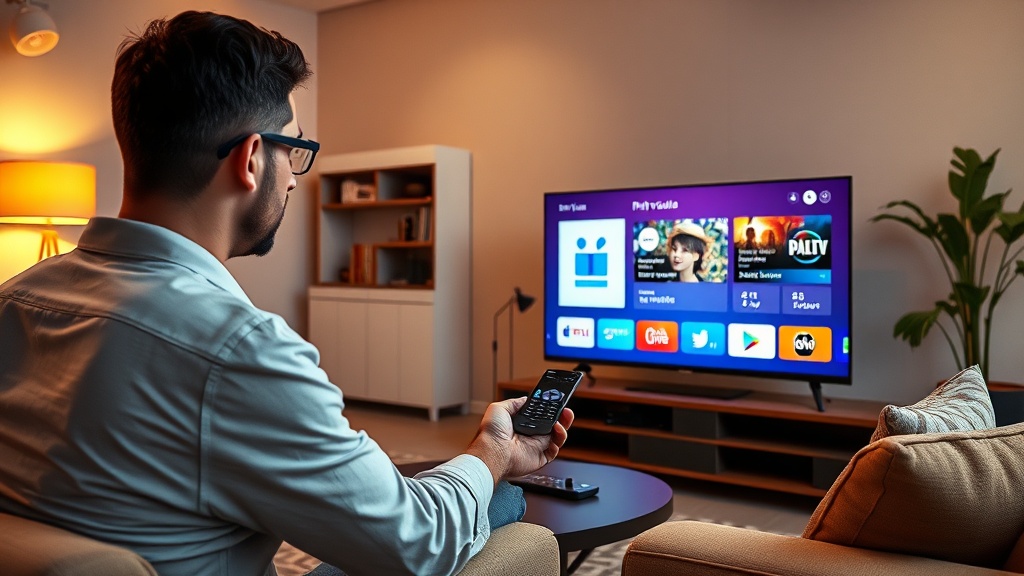
Once you’ve selected an IPTV service, the next step in your IPTV setup guide is to ensure you have the right hardware. A stable internet connection is non-negotiable. For high-definition (HD) streaming, a minimum speed of 10-15 Mbps is recommended, while 4K content requires at least 25 Mbps. If multiple devices will be streaming simultaneously, you’ll need even higher speeds. Upgrading your internet plan or optimizing your router settings might be necessary.
The primary device for streaming IPTV content is often a smart TV, a streaming box, or a smartphone/tablet. Smart TVs with built-in app stores can download IPTV applications directly. Popular streaming devices include Amazon Fire Stick, Nvidia Shield TV, Apple TV, and various Android TV boxes. Each device has its pros and cons in terms of performance, user interface, and cost. For detailed information on compatible hardware, check out IPTV compatible devices.
For optimal performance, a wired Ethernet connection is always preferred over Wi-Fi, especially for streaming high-quality content. An Ethernet connection provides greater stability and speed, reducing buffering and lag. If a wired connection isn’t feasible, ensure your Wi-Fi router is positioned strategically and is capable of handling the bandwidth demands of IPTV streaming. This is a crucial tip in any IPTV setup guide.
Additionally, you might consider accessories like a VPN (Virtual Private Network) for privacy and to bypass geo-restrictions, or an external hard drive if your device supports recording. While not strictly essential for basic functionality, these additions can significantly enhance your overall IPTV experience. This IPTV setup guide aims to cover all aspects, from basic to advanced.
Step-by-Step: Your IPTV Setup Guide on Different Devices
Setting up IPTV can vary depending on your chosen device. This section of our IPTV setup guide will provide general steps applicable to most platforms. The core process involves installing an IPTV player app, configuring it with your service provider’s details, and then loading your channel list.
IPTV Setup Guide for Android Devices (Smart TVs, Android Boxes, Fire Stick)
For Android-based devices, the process is quite straightforward. First, power on your device and ensure it’s connected to the internet. Navigate to the app store (Google Play Store for Android TV, Amazon Appstore for Fire Stick) and search for an IPTV player app. Popular choices include “IPTV Smarters Pro,” “TiviMate,” or “Perfect Player.” Download and install the chosen app.
Once installed, open the app. You will typically be prompted to add a playlist or ‘load your M3U URL’ or ‘Xtream Codes API’ details. Your IPTV service provider will furnish you with this information, usually in your welcome email or customer portal. Enter the URL or codes accurately, ensuring no typos. After successful configuration, your channels should load, and you can begin watching. This is a crucial part of your IPTV setup guide.
Some apps might require additional settings, such as EPG (Electronic Program Guide) configuration or parental controls. Explore the app’s settings menu to customize your experience. Remember to keep your apps updated for the best performance and security.
Configuring IPTV on Smart TVs (Samsung, LG, etc.)
Many modern smart TVs have their own app stores. For Samsung Smart TVs, you might use “Smart IPTV” (SIPTV) or “SS IPTV.” For LG WebOS TVs, “SS IPTV” is also a popular option. The initial steps are similar: connect to the internet, go to the app store, and search for an IPTV player. Install the app.
Once installed, these apps often provide a MAC address or a unique code that you need to register on the IPTV provider’s website or a specific portal linked to the app. After registering your device and uploading your M3U playlist, refresh the app on your TV, and your channels should appear. This method ensures a seamless IPTV setup guide experience directly on your television.
It’s important to note that some Smart TV apps might require a one-time activation fee. Always check the app’s description or website for such details before proceeding. If you encounter issues, consult your TV’s manual or the app’s support resources.
Optimizing Your IPTV Setup Guide for Best Performance
A good IPTV setup guide doesn’t just cover installation; it also focuses on optimization. Even with a fast internet connection and a reliable service, you might encounter buffering or quality issues. Several factors can influence performance, and addressing them can significantly improve your viewing experience.
One of the most common issues is network congestion. If multiple devices are using your internet connection heavily, it can impact IPTV streaming. Consider using QoS (Quality of Service) settings on your router to prioritize IPTV traffic. This ensures that your streaming device gets the necessary bandwidth, even when others are online. This is a key optimization technique in any effective IPTV setup guide.
Clearing the cache on your streaming device or IPTV app can also help. Over time, cached data can accumulate and slow down performance. Regularly clearing it can refresh the app and improve responsiveness. For Android devices, you can usually do this in the app settings under “Storage.”
Using a VPN can sometimes help with buffering, especially if your ISP (Internet Service Provider) is throttling your connection. Some ISPs might intentionally slow down certain types of traffic, including IPTV. A VPN encrypts your internet traffic, making it harder for your ISP to identify and throttle it. However, a VPN can also introduce its own latency, so choose a reputable VPN provider with fast servers. We always recommend exploring VPN options as part of your comprehensive IPTV setup guide.
Finally, ensure your device’s firmware and all IPTV applications are up to date. Developers frequently release updates that include performance enhancements, bug fixes, and new features. Keeping everything current can prevent many common issues and ensure a smooth streaming experience.
Troubleshooting Common IPTV Issues with Your IPTV Setup Guide
Even with the best IPTV setup guide, you might occasionally run into problems. Knowing how to troubleshoot common issues can save you time and frustration. Here are some of the most frequent problems and their solutions.
Buffering or Freezing: This is arguably the most common complaint. Start by checking your internet speed. Use an online speed test to verify you’re getting the speeds you expect. If your speed is low, try restarting your modem and router. If the problem persists, contact your ISP. As mentioned earlier, a wired connection, QoS settings, or a VPN can also help. Sometimes, simply changing the video quality setting in your IPTV player to a lower resolution can resolve buffering issues.
Channels Not Loading or Showing “Error”: First, double-check your M3U URL or Xtream Codes login details. A single typo can prevent channels from loading. Ensure your IPTV subscription is active and hasn’t expired. Contact your IPTV service provider if you’re certain your details are correct. Sometimes, the server might be down for maintenance, in which case waiting a few minutes or hours might resolve the issue. This is a critical step in your IPTV setup guide troubleshooting.
No Sound or Picture: Check your device’s volume settings and ensure your TV or display is on the correct input. If using an external streaming device, ensure all cables (HDMI, power) are securely connected. For specific apps, check their audio/video settings. Sometimes, a simple reboot of your streaming device can fix these issues.
App Crashing or Freezing: This often indicates an issue with the app itself or insufficient device resources. Try force-stopping the app and clearing its cache. If that doesn’t work, uninstall and reinstall the app. Ensure your device has enough free storage space and RAM. If the problem persists across multiple apps, your device might be underpowered or faulty.
EPG Not Loading or Incorrect: Ensure your app is configured to load the EPG. Some providers offer a separate EPG URL that needs to be entered into the app’s settings. Check the time zone settings on your device and within the IPTV app, as an incorrect time zone can cause EPG discrepancies. This particular tip is often overlooked in any basic IPTV setup guide.
The Future of IPTV and What to Expect in 2026
The world of IPTV is constantly evolving, and 2026 promises even more exciting developments. As internet speeds continue to increase and technology advances, we can expect higher quality streams, more interactive features, and greater personalization. This IPTV setup guide wouldn’t be complete without a glimpse into the future.
One major trend is the ongoing shift towards 8K content. While 4K is becoming standard, 8K televisions are slowly entering the market, and IPTV providers will undoubtedly begin offering content in this ultra-high definition. This will require even faster internet connections and more powerful streaming devices, pushing the boundaries of what’s possible in home entertainment.
Artificial intelligence (AI) and machine learning (ML) are also set to play a significant role. Expect more sophisticated content recommendations, personalized advertising, and potentially even AI-powered virtual assistants integrated into IPTV platforms. These technologies will make discovering new content easier and tailor the viewing experience to individual preferences, enhancing the value of your IPTV setup guide.
The integration of IPTV with other smart home devices is another area of growth. Imagine controlling your TV, lights, and sound system all from your IPTV interface, or receiving notifications from your smart doorbell directly on your screen. This seamless integration will create a more connected and convenient home entertainment ecosystem.
Finally, we can anticipate further advancements in interactive features. Live polling during broadcasts, direct access to social media feeds, and enhanced multi-angle viewing options for sports events are just a few possibilities. The future of IPTV is about more than just watching; it’s about engaging and participating, making this IPTV setup guide a living document for future innovations.
Frequently Asked Questions about Your IPTV Setup Guide
Here are some common questions people have when navigating their IPTV setup guide:
Q1: Is IPTV legal?
A1: The legality of IPTV depends on the service provider. Legitimate IPTV services obtain proper licenses for the content they distribute. However, many services operate without these licenses, offering content illegally. It’s crucial to research your chosen provider to ensure they are operating legally to avoid potential issues. Always consult legal resources for definitive answers in your region.
Q2: What internet speed do I need for IPTV?
A2: For standard definition (SD) content, 5-7 Mbps is usually sufficient. For high definition (HD), 10-15 Mbps is recommended. If you plan to stream 4K content, you’ll need at least 25 Mbps. If multiple devices will be streaming simultaneously, you should aim for even higher speeds.
Q3: Can I use IPTV on multiple devices?
A3: Most IPTV service providers offer multi-device support, but the number of simultaneous streams often depends on your subscription plan. Check with your provider regarding their policies on concurrent connections. Many services allow you to use your subscription on devices such as smartphones, tablets, smart TVs, and streaming boxes.
Q4: What is an M3U URL or Xtream Codes API?
A4: An M3U URL is a playlist file format that tells your IPTV player where to find the channels. The Xtream Codes API is another method for connecting to an IPTV service, often providing a more integrated experience with features like EPG and VOD. Your IPTV service provider will supply you with one of these to configure your player app.
Q5: Why is my IPTV buffering?
A5: Buffering is often caused by a slow or unstable internet connection, network congestion, or issues with the IPTV server. Try checking your internet speed, restarting your router, clearing your app’s cache, or connecting via Ethernet. If the problem persists, contact your IPTV provider or consider using a VPN if you suspect ISP throttling.
Related IPTV Services
You may also visit the following websites for similar services:
Leave a Reply